


What should a pregnant woman do if she experiences dizziness due to low blood pressure?

Due to various life stresses and other factors in daily life, many people experience a range of physical discomforts—such as hypotension and dizziness. Although these symptoms are generally not severe, timely intervention is still essential to facilitate a swift return to optimal health. So, what should be done if a pregnant woman experiences hypotension and dizziness?
What to Do If a Pregnant Woman Experiences Hypotension and Dizziness
If hypotension and dizziness occur during pregnancy, the first step is to identify the underlying cause. Hypotension in early pregnancy may result from a slight decline in basal metabolic rate, low pre-pregnancy body weight, or severe morning sickness. Supine hypotension arises when the enlarging uterus compresses the inferior vena cava in the supine position, impeding venous return and thereby lowering blood pressure. Orthostatic hypotension primarily occurs when a pregnant woman rises rapidly from sitting or squatting positions, causing transient cerebral hypoperfusion and a consequent drop in blood pressure.

Basal metabolism typically decreases during early pregnancy. Additionally, elevated hormone levels often trigger nausea and vomiting, further contributing to hypotension. Pregnant women should ensure adequate nutritional intake and maintain sufficient hydration to help elevate blood pressure. Dizziness upon standing directly from a seated position is also common and results from transient cerebral hypoperfusion. Pregnant women should move cautiously and avoid sudden or excessive physical activity. Those with hypotension should increase their intake of protein-rich foods. In cases of severe hypotension, pharmacologic intervention may be necessary to raise blood pressure.
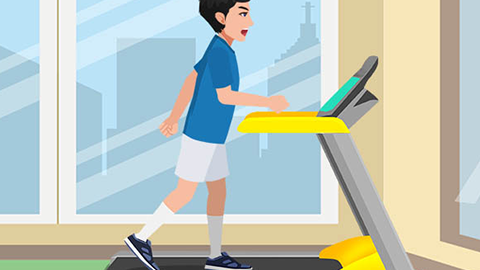
Symptomatic management is recommended—including eating small, frequent meals; selecting nutrient-dense foods rich in trace elements and vitamins; maintaining moderate intake of protein and healthy fats; engaging in appropriate physical activity; and ensuring restful, high-quality sleep. We hope this information proves helpful.


