


Is Premature Contraction Normal?

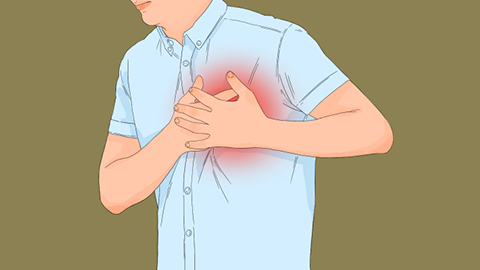
In daily life, excessive mental stress and unhealthy dietary habits may trigger premature beats (premature ventricular contractions or premature atrial contractions). But are premature beats normal?
Are premature beats normal?
Premature beats are not considered a normal physiological phenomenon. However, in individuals with fewer than five premature beats per minute, these occurrences are classified as occasional and are generally regarded as benign—typically requiring no specific intervention or treatment. Nevertheless, if premature beats are frequent or severe, it is essential to identify their underlying cause. Some types of premature beats—particularly ventricular premature beats occurring during the vulnerable period of the T-wave (so-called “R-on-T” phenomenon)—can be life-threatening. This phenomenon may precipitate ventricular fibrillation; without prompt electrical defibrillation, ventricular fibrillation can rapidly progress to cardiac arrest. Therefore, patients experiencing frequent or severe premature beats should receive active medical intervention. In contrast, mild, functional premature beats usually do not warrant pharmacological treatment. Antiarrhythmic drugs often carry adverse effects; thus, they should only be prescribed when clinically necessary.

Premature beats are a very common type of arrhythmia and can be categorized as either premature atrial contractions (PACs) or premature ventricular contractions (PVCs). The causes of premature beats are diverse. In some cases, emotional fluctuations, inadequate rest, or poor sleep quality may trigger them. Additionally, certain PACs and PVCs may be associated with underlying cardiovascular conditions such as myocardial ischemia, myocardial infarction, myocarditis, hypertrophic cardiomyopathy, or dilated cardiomyopathy.
Regular follow-up evaluations are essential during treatment. I hope this response has been helpful. Wishing you good health and a cheerful mood!


