


火旺阴虚的Symptoms

Yin deficiency with hyperactive fire is a common syndrome in Traditional Chinese Medicine (TCM), with a high incidence rate—many people experience it at some point. Once this condition develops, the body often manifests a series of adverse symptoms. However, some patients remain unaware of these signs, potentially missing the optimal window for treatment and regulation. So, what are the symptoms of yin deficiency with hyperactive fire?
Symptoms of Yin Deficiency with Hyperactive Fire
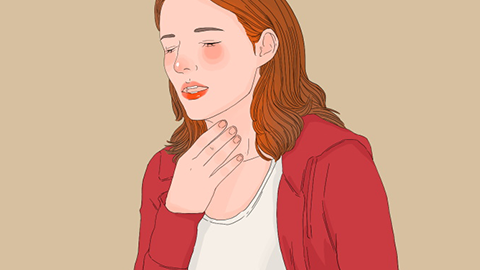
The general symptoms of yin deficiency with hyperactive fire stem from insufficient yin fluids and consequent relative excess of deficient fire. Primary manifestations include insomnia, night sweats, and heat sensations in the palms, soles, and chest (“five-center heat”). Patients commonly feel generalized fatigue and weakness; recurrent oral and tongue ulcers are frequent. Additional symptoms often include dizziness, tinnitus, a red tongue with scanty coating, dry mouth and throat. Urine may become scanty and dark yellow or reddish, and in more severe cases, patients may present with hemoptysis (coughing up blood) or bloody stools.
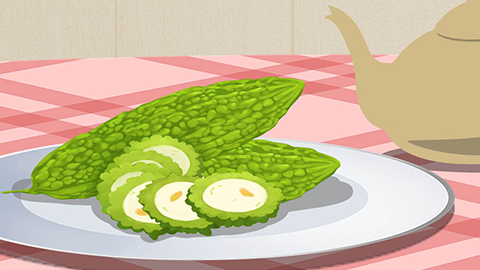
This condition can be effectively managed through dietary therapy. Food therapy plays a vital role in regulating yin deficiency with hyperactive fire. During active phases of the condition, patients may regularly consume nourishing congees such as Ophiopogon japonicus (Maidong) congee, Ligustrum lucidum (Nüzhenzi) rice congee, or Astragalus membranaceus (Huangqi) millet congee. Bitter-tasting foods—such as bitter melon and shepherd’s purse—may also be incorporated regularly, as they help nourish yin and clear deficient fire.
Patients are advised to protect their body fluids in daily life and avoid excessive sweating. First, excessive perspiration should be minimized to prevent depletion of bodily fluids; second, proactive measures to nourish and replenish yin should be adopted. We hope this information proves helpful.


