


Why Do Tonsil Stones Form?

Some accumulation of tonsil stones leads to the deposition of insoluble inorganic salts, such as calcium and magnesium. Their core may consist of small foreign bodies, desquamated epithelial cells, or bacteria, and stones typically form around the crypts’ ciliated epithelium.
Why Do Tonsil Stones Form?
There are numerous causes of tonsil stones, most commonly poor personal oral hygiene. Additionally, chronic tonsillitis, antihypertensive medications, analgesics, and psychotropic drugs can contribute to their formation. Most tonsil stones occur in the superior tonsillar crypts. Prolonged obstruction, impaired drainage of secretions, and accumulation of cheese-like debris promote the deposition of calcium, magnesium, and other minerals—again, typically around the ciliated epithelium of the crypts.
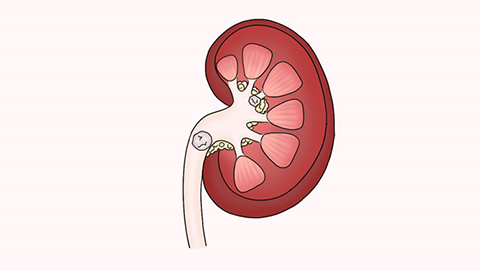
Tonsil stones are usually small and often embedded within the superior tonsillar crypts, potentially causing discomfort or pain. Their composition includes substantial amounts of sulfur-containing compounds; while the stones themselves may cause discomfort, the resulting foul odor is often more problematic—leading to persistent, socially embarrassing halitosis. The tonsils are an important component of the human immune system.

In daily life, many individuals develop tonsil stones, often accompanied by symptoms such as halitosis, dysphagia, and throat discomfort. We hope this information is helpful to you.


