


Why Do People Develop Hypotension?

Hypotension is a common cardiovascular condition that typically causes symptoms such as fatigue, nausea, and vomiting. So, what causes hypotension?
Causes of Hypotension
Numerous factors can lead to hypotension, which is generally classified into two main types: primary (essential) hypotension and secondary hypotension. Primary hypotension commonly occurs in individuals with frail constitutions and often has a familial or genetic predisposition. Secondary hypotension arises from underlying conditions—including certain endocrine disorders, cardiovascular diseases, hypovolemia (low blood volume), medications, or excessive use of antagonists—particularly diuretics, which can lower blood pressure. Patients with hypotension frequently experience profound fatigue, dizziness, headache, and impaired memory. Therefore, such patients should monitor and record their blood pressure at regular intervals daily, change body positions slowly to prevent sudden drops in blood pressure, and receive nutritional therapy if malnourished.
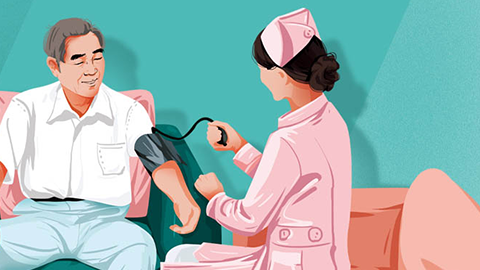
Management of hypotension primarily focuses on dietary adjustments and increased physical activity. Consistent exercise, along with maintaining a regular lifestyle, helps improve overall physical fitness, enhances neurovascular regulatory function, and accelerates circulation. Suitable activities for management include tai chi, walking, and general fitness exercises.
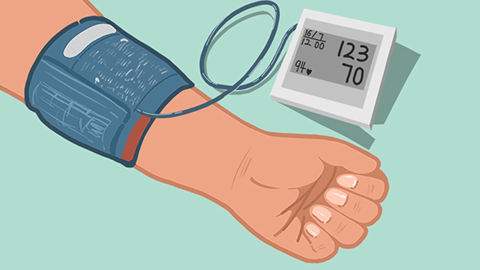
Dietary recommendations: Patients with hypotension are advised to consume moderate amounts of high-sodium and high-cholesterol foods. “High-sodium” refers to relatively higher salt intake, while “high-cholesterol” foods include pork, bone broth, animal liver, and eggs—all rich in cholesterol. While these foods should be consumed regularly, intake must remain within reasonable limits to avoid excess. I hope this information proves helpful. Wishing you good health and a cheerful disposition!


