


Early Manifestations of Renal Hypertension

In daily life, early-stage renal hypertension may cause fever, hematuria, edema, and elevated blood pressure. What are the early manifestations of renal hypertension?
Early Manifestations of Renal Hypertension
Renal hypertension primarily arises from circulatory and metabolic disturbances caused by underlying kidney disease. Typically, early renal hypertension is asymptomatic; however, it is characterized by markedly elevated blood pressure that is difficult to control. The most common symptoms include headache, dizziness, nausea, and even vomiting. Blood pressure may remain severely elevated despite combination antihypertensive therapy. Therefore, timely treatment of the underlying kidney disease is essential for effective blood pressure control. Additionally, a low-sodium or sodium-free diet is recommended to prevent sodium and water retention and subsequent worsening of hypertension.
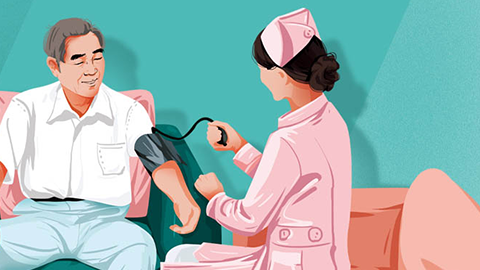
Renal hypertension is one of the most common forms of secondary hypertension and is classified into two main types: renal parenchymal hypertension and renovascular hypertension. Renal parenchymal hypertension results from various kidney disorders—including acute and chronic glomerulonephritis, diabetic nephropathy, chronic pyelonephritis, polycystic kidney disease, and post-renal transplant complications—and represents the most frequent cause of secondary hypertension. In end-stage renal disease (ESRD), over 80–90% of patients develop hypertension. Renovascular hypertension is caused by stenosis—either unilateral or bilateral—of the main renal artery or its branches. Common etiologies include Takayasu arteritis, fibromuscular dysplasia of the renal artery, and atherosclerosis.

During treatment, ensure adequate rest and maintain a light, low-sodium diet. I hope this response has been helpful. Wishing you good health and happiness!


