


Etiology of Primary Hypertension

Primary hypertension is a common condition that can cause dizziness and fatigue, significantly impairing normal daily life. So, what are the causes of primary hypertension?
Causes of Primary Hypertension
The main causes of primary hypertension include the following:
1. Genetic factors: Approximately 60% of patients with hypertension have a family history. Current evidence suggests that genetic factors contribute to 30–50% of hypertension cases.
2. Psychological and environmental factors: Chronic mental stress, excitement, anxiety, or adverse visual stimuli may also trigger hypertension.
3. Age-related factors: The prevalence of hypertension increases with age, particularly among individuals over 40 years old.
4. Lifestyle factors: An unbalanced diet—especially excessive sodium intake, low potassium intake, heavy alcohol consumption, and high intake of saturated fatty acids—can elevate blood pressure. Smoking accelerates atherosclerosis and is a recognized risk factor for hypertension.
5. Medication effects: Certain drugs—including oral contraceptives, hormones, and anti-inflammatory or analgesic agents—may influence blood pressure.
6. Comorbid conditions: Obesity, diabetes mellitus, and obstructive sleep apnea syndrome are major associated conditions contributing to the development of hypertension.
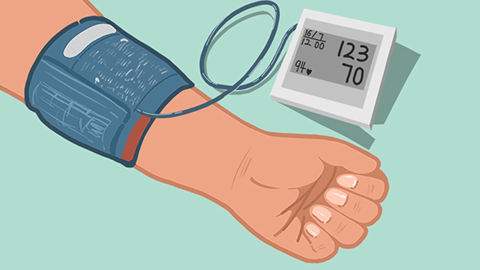
Daily care recommendations:
1. Measure blood pressure regularly—at least once every 1–2 weeks.
2. Take antihypertensive medications as prescribed; do not reduce dosage or discontinue treatment without medical guidance.
3. Consider using a home blood pressure monitor for self-measurement.
4. Elderly patients should take precautions against orthostatic hypotension.
Patients with primary hypertension require regular follow-up examinations. I hope this information is helpful to you. Wishing you good health and happiness!


