


Are frequent premature cardiac contractions serious?

Frequent late-night activity and irregular eating habits may lead to frequent premature cardiac contractions (PCCs). But how serious are frequent PCCs?
How serious are frequent premature cardiac contractions?
Frequent PCCs are generally considered clinically significant. They can be classified as atrial, ventricular, or junctional in origin. Atrial and junctional PCCs tend to be relatively benign, whereas ventricular PCCs are more concerning and require careful evaluation based on the patient’s symptoms. For instance, if a patient experiences dizziness, palpitations, or chest tightness—particularly with ventricular PCCs—hemodynamic compromise may occur, necessitating prompt medical intervention. Similarly, frequent atrial PCCs may precipitate symptoms such as syncope, chest tightness, or dizziness, and thus also warrant clinical evaluation and management. Multiple underlying conditions—including structural heart disease, physiological factors, drug-induced effects, or electrolyte imbalances—can cause multifocal PCCs. Therefore, appropriate management must be tailored to the specific etiology. For example, PCCs resulting from overexertion or electrolyte disturbances may be corrected by rest and electrolyte repletion, whereas those induced by medications or other pathological causes may require targeted therapeutic interventions.

Tachycardia associated with frequent PCCs is often clinically significant; however, optimal management depends on identifying the underlying cause and should always be guided by a qualified clinician. “Frequent ventricular PCCs” refers specifically to ≥5 ventricular premature beats per minute, most commonly occurring in patients with organic heart disease—especially those with hypertension, coronary artery disease, cardiomyopathy, rheumatic heart disease, or mitral valve prolapse.
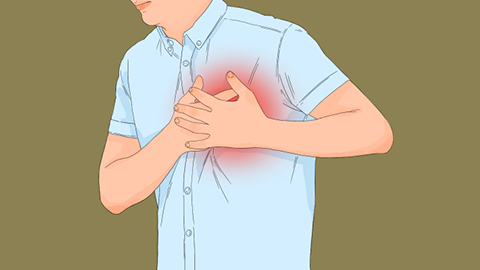
It is advisable to cultivate healthy lifestyle habits and regularly enhance physical fitness. Following appropriate diagnostic evaluations, targeted treatment should be initiated. I hope this information proves helpful. Wishing you excellent health and well-being!


