


How to treat prickly heat

In real life, some patients pay insufficient attention to personal hygiene, leading to unpleasant symptoms such as stinging pain and significantly impairing their quality of life. When the condition is mild, prompt treatment is essential. So, how should prickly heat be treated?
How to Treat Prickly Heat
Prickly heat—also known as miliaria or heat rash—is a dermatological condition caused by excessive sweating in warm environments. Its occurrence is closely linked to climate, commonly appearing in warm, humid regions and during summer months; it is especially prevalent in southern China. Moreover, warm, moist skin surfaces promote the proliferation of *Staphylococcus epidermidis*, which can obstruct sweat ducts or cause infection along the sweat glands, resulting in prickly heat. Treatment typically involves both topical and systemic approaches.
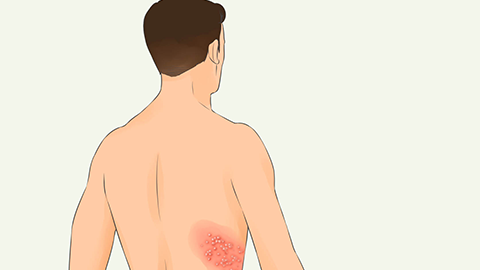
Since prickly heat arises from high temperature and humidity, eliminating it begins with maintaining local skin cleanliness and dryness and staying in air-conditioned environments to ensure cool surroundings—this constitutes the most fundamental step. For rash management, patients may apply calamine lotion topically under medical guidance. If pruritus is pronounced, a low-potency topical corticosteroid ointment may also be used. In cases of secondary bacterial infection with purulent discharge and fever, oral and/or topical antibiotics are required. In summary, effective management of prickly heat starts with environmental modification—keeping the skin clean and dry—followed by symptom-targeted therapy.
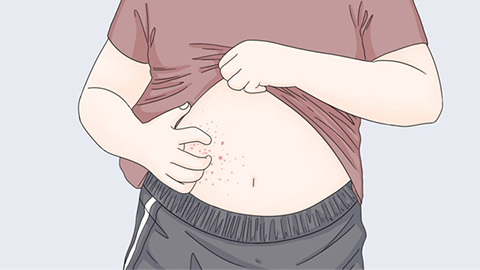
In daily life, patients should maintain a positive attitude, actively cooperate with their physicians, take prescribed medications on time and in correct doses, and prioritize routine skincare—thus facilitating rapid clinical improvement. We hope this response proves helpful to you.


