


What are the symptoms of lung qi deficiency?

When patients develop a pattern of Lung Qi Deficiency, they may experience numerous symptoms; however, many are unaware of the underlying condition and mistakenly assume they simply have a common illness. As a result, they delay seeking proper treatment, potentially leading to severe complications. So, what are the symptoms of Lung Qi Deficiency?
What Are the Symptoms of Lung Qi Deficiency?
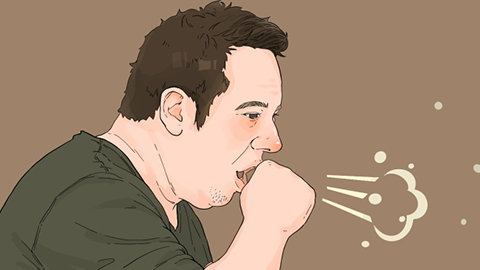
Symptoms of Lung Qi Deficiency include coughing, a weak or low voice, shortness of breath or wheezing, accompanied by breathlessness, reluctance to speak, fatigue, spontaneous sweating, and other related manifestations. Primary causes of this pattern include chronic pulmonary disease, Kidney Qi deficiency, and Spleen-Stomach Qi deficiency. If chronic lung disease remains untreated over time, it gradually depletes Lung Qi, which in turn further weakens Kidney Qi. Insufficient Lung Qi fails to secure the exterior (muscle layer), resulting in spontaneous sweating. Moreover, Qi deficiency renders the body more susceptible to external pathogenic factors, increasing the risk of recurrent colds and flu.
Lung Qi Deficiency may also arise from chronic diseases. The persistent presence of such conditions allows pathogenic factors to gradually accumulate within the body; over time, this accumulation may culminate in Lung Qi Deficiency—a relatively common etiology observed today. Whether hypertension or diabetes, prolonged management of these conditions inevitably exerts certain physiological effects on the body.

Patients are advised to improve their condition through physical exercise, lifestyle modifications, and appropriate herbal or pharmaceutical interventions. We hope this information proves helpful to you.


