


Why do I feel nauseous and have the urge to vomit?

In daily life, many people frequently experience dry heaving or nausea. These symptoms are typically caused by underlying medical conditions.
Why Do People Experience Dry Heaving and Nausea?
Dry heaving and nausea may be associated with early pregnancy symptoms, gastrointestinal disorders, abnormal liver function, nasopharyngeal diseases, psychiatric or psychological conditions, or drug-induced irritation. For women of childbearing age who are sexually active and experiencing menstrual delay alongside dry heaving or vomiting, early pregnancy should be considered; a urine pregnancy test is recommended. A positive urine pregnancy test indicates pregnancy.
Consumption of contaminated food may lead to bacterial infection and acute gastroenteritis, resulting in symptoms such as dry heaving, vomiting, diarrhea, and abdominal distension. In such cases, diagnostic evaluation may include abdominal CT and upper gastrointestinal endoscopy. Acute pancreatitis may also present with dry heaving and vomiting; diagnosis requires measurement of serum and urinary amylase levels, as well as abdominal ultrasound and CT imaging.
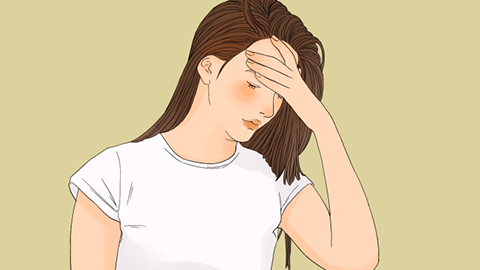
If you experience persistent dry heaving or vomiting, it is advisable to seek prompt medical evaluation to avoid delays in diagnosis and treatment. If symptoms are pregnancy-related, consuming citrus fruits (e.g., oranges) or waxberries (yangmei) may help alleviate discomfort. Patients with mild symptoms may, under physician guidance, take appropriate oral medications to support digestion and enhance gastrointestinal motility. In severe or refractory cases, extra-gastric causes—such as cholecystitis, hepatic disease, or early pregnancy—must also be investigated. Comprehensive assessment and timely intervention are essential.

Additionally, maintaining healthy dietary habits is important—avoid excessive intake of spicy, greasy, or otherwise irritating foods. We hope this information is helpful to you.


