


What Causes Gagging in a 3-Month-Old Infant?

Infants often experience various urgent conditions during early infancy, such as dry heaving. In most cases, this is caused by improper feeding posture; it may also result from excessive anxiety during feeding, leading to indigestion. Many mothers are first-time parents and lack sufficient understanding of infant dry heaving. So, what causes dry heaving in a three-month-old infant?
What Causes Dry Heaving in a Three-Month-Old Infant?
Dry heaving in a three-month-old infant may stem from indigestion, gastroesophageal reflux, or acute pharyngitis. If the infant cannot adequately absorb or digest food, dry heaving may occur. Infants who have begun complementary feeding may experience dry heaving due to unfamiliarity with new foods, overly large food particles that are difficult to swallow, or ingestion of cold food. Dislike of the taste of formula milk or rice cereal may also trigger nausea and vomiting. Some infants frequently suck their fingers unconsciously; if a finger is inserted too deeply into the mouth and accidentally touches the back of the tongue, it can provoke dry heaving. Parents may consider introducing other age-appropriate complementary foods or engaging the infant in gentle play before or after feeding to help reduce feeding-related dry heaving.
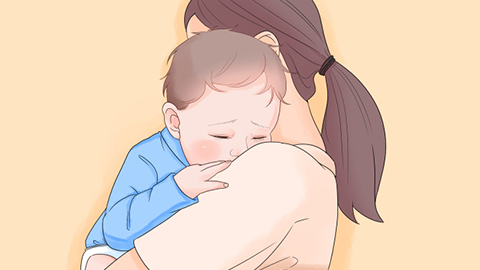
If an infant experiences dry heaving accompanied by nausea, vomiting, and diarrhea, indigestion is likely present, and oral probiotics may be administered for treatment. Frequent dry heaving associated with milk regurgitation suggests possible gastroesophageal reflux—a relatively common condition linked to immature gastrointestinal function in infants. In cases of acute pharyngitis, infants may exhibit additional symptoms such as redness and swelling of the throat alongside dry heaving.
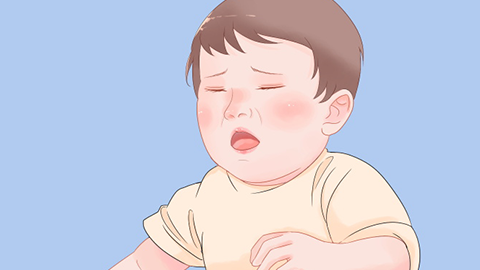
In such instances, it is essential to take the infant to a hospital for routine evaluation to avoid delays in diagnosis and treatment. We hope this information proves helpful.


