


What Are the Symptoms of Cerebral Infarction?
Aug 09, 2022
Source: Cainiu Health

Dr. Li Man
Introduction
Symptoms of cerebral infarction include neurological and somatic manifestations. Cerebral infarction often triggers a range of neurological symptoms: patients may exhibit gaze deviation toward the side of the lesion, central facial palsy, tongue paralysis, and pseudobulbar palsy—characterized by choking while drinking and dysphagia. Additionally, seizures may occur following cerebral infarction.
The incidence of cerebral infarction is increasing steadily. Previously, it predominantly affected elderly individuals; however, in current clinical practice, many younger patients are also being diagnosed with this condition. Cerebral infarction is undoubtedly a severe cerebrovascular disease—acute onset can lead directly to death. Therefore, recognizing its associated symptoms early—and initiating prompt diagnosis and treatment—is essential. So, what are the symptoms of cerebral infarction?
What Are the Symptoms of Cerebral Infarction?
Symptoms of cerebral infarction include neurological manifestations and systemic symptoms. Cerebral infarction often triggers a range of neurological deficits: patients may exhibit gaze deviation toward the side of the lesion, central facial palsy, tongue paralysis, and pseudobulbar palsy—characterized by choking while drinking water and dysphagia. Seizures may also occur. Following cerebral infarction, patients commonly experience generalized fatigue, gait instability, and urinary incontinence; some may develop hemiplegia or altered mental status.

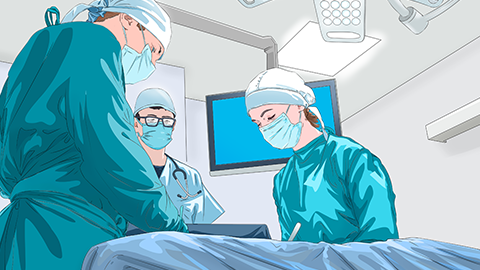
Surgical intervention is an option for treating cerebral infarction. In severe cases, patients may require urgent neurosurgical procedures—such as thrombectomy or decompressive craniectomy—to relieve cerebral vascular occlusion and reduce intracranial pressure. Postoperatively, patients must be hospitalized for close observation and management, including regular monitoring of cerebrovascular function and timely administration of medications during follow-up care—critical steps to optimize prognosis and accelerate recovery of brain function.
Patients are advised to prioritize adequate rest in daily life, avoid excessive workloads and late-night activities. Smokers should quit smoking entirely, and all patients should engage in appropriate physical exercise. We hope this information proves helpful to you.


