


What Should a Pregnant Woman Do If She Develops Perianal Eczema?

Acute-phase eczema lesions typically present as dense, small papules or vesicles the size of millet grains, with an erythematous base. Due to scratching, lesions may exhibit obvious pinpoint exudates and small erosions. Lesions are often most severe at the center and gradually spread outward, surrounded by scattered papules and plaques with ill-defined borders. So, what should a pregnant woman do if she develops perianal eczema?
What to Do If a Pregnant Woman Develops Perianal Eczema
Perianal eczema during pregnancy is often intensely pruritic. Mild traditional Chinese herbal preparations can be used for external cleansing and topical application to relieve itching. During pregnancy, increased moisture and secretions around the anus create a favorable environment for bacterial proliferation, which may irritate the perianal skin, trigger perianal eczema, and cause anal pruritus. Gentle, non-irritating herbal washes—such as Compound Phellodendron Decoction or Kangfuxin Solution—may be used for local cleansing or sitz baths.
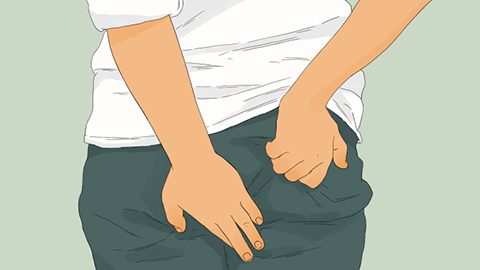
Antipruritic agents—such as calamine lotion or mometasone furoate cream—can be applied topically to affected areas to alleviate itching. Pay attention to diet: avoid spicy foods and consume more vegetables and fruits to maintain regular bowel movements. After each bowel movement, rinse the perianal area with warm water and keep it dry and clean.
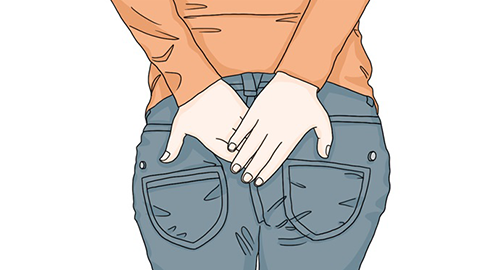
Eczema is clinically classified into acute, subacute, and chronic phases; treatment varies accordingly. Therefore, medication must be guided by professional medical advice rather than self-administered indiscriminately, as inappropriate use may alter the natural disease course and interfere with accurate diagnosis. We hope this information proves helpful to you.


