


Hazards of Using Baby Powder for Adults
Aug 09, 2022
Source: Cainiu Health

Dr. Liu Wan
Introduction
Adults using prickly heat powder may experience symptoms such as erythema, vesicles, and pruritus. Prickly heat powder contains ingredients like menthol and fragrances; some individuals may develop local irritation, contact dermatitis, erythema, vesicles, and pruritus after topical application. Generally, no adverse effects occur following topical use; however, it must not be applied to the eyes, mouth, or mucous membranes. Prickly heat powder should not be used on skin with infectious exudates.
In daily life, some patients pay insufficient attention to personal hygiene, leading to adverse symptoms such as stinging pain, which significantly impair their quality of life. When the condition is mild, prompt treatment is essential. So, what are the potential risks of adults using baby powder (talcum powder) for prickly heat?
Potential Risks of Adults Using Baby Powder
Adults using baby powder may experience symptoms including erythema (redness), vesicles (blisters), and pruritus (itching). Baby powder typically contains ingredients such as menthol and fragrances; some individuals may develop localized irritation, contact dermatitis, erythema, vesicles, or pruritus following topical application. While topical use is generally well-tolerated without adverse effects, it must never be applied to the eyes, mouth, or mucous membranes. Furthermore, baby powder should not be used on skin with infectious exudates. If erythema or pruritus occurs after application, this suggests an allergic reaction to the powder—use should be discontinued immediately, and appropriate antiallergic treatment initiated.
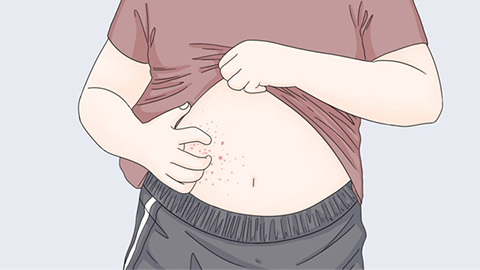
Prickly heat (miliaria) develops in hot, humid conditions; therefore, its management begins with maintaining local skin cleanliness and dryness, staying in air-conditioned environments to ensure a cool ambient temperature—this constitutes the most fundamental intervention. To treat the rash, patients may apply calamine lotion topically under medical guidance. For pronounced pruritus, topical corticosteroid ointments may also be prescribed. In cases of secondary bacterial infection with purulent discharge and fever, both oral and topical antibiotics are required. In summary, effective management of prickly heat starts with environmental modification—ensuring cleanliness and dryness—followed by symptom-directed therapy.
In daily life, patients should maintain a positive attitude, actively cooperate with their physicians’ treatment plans, take medications as prescribed—both on schedule and in correct dosage—and emphasize routine skincare to facilitate rapid clinical improvement. We hope this response has been helpful to you.




