


What Causes Chronic Parotitis?

The parotid gland is an essential component of the human body. If it becomes obstructed by stones, pain may occur—this condition is, in fact, parotitis. Some individuals fall ill without receiving timely treatment, leading to disease progression and eventual development of chronic obstructive parotitis, which may delay recovery. So, what causes chronic parotitis?
What Causes Chronic Parotitis?
Chronic recurrent parotitis is a relatively common clinical condition affecting both children and adults. The etiology of recurrent parotitis in children is complex, and its pathogenesis remains incompletely understood. It is likely the result of multiple interacting factors. Generally, it is thought to be associated with congenital hypoplasia of the gland, which serves as a potential underlying predisposing factor. Additionally, children with immature or compromised immune systems are more susceptible to retrograde infection. In contrast, children with mature immune systems often recover spontaneously. Many cases of pediatric parotid swelling are linked to upper respiratory tract infections and inflammatory oral lesions, through which bacteria may ascend retrogradely via the parotid duct.
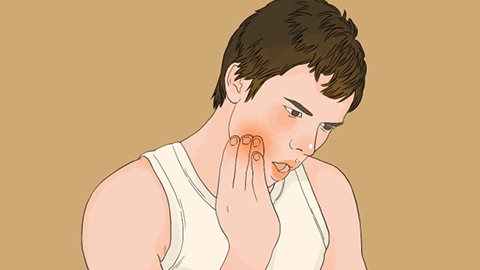
Chronic obstructive parotitis is primarily caused by local factors. For example, when wisdom teeth become loose, the mucosa at the duct orifice may be traumatized by biting. Poorly fitted dentures can cause mucosal injury and scarring at the duct orifice, resulting in stenosis. In rare cases, obstruction may be due to sialoliths (salivary stones) or foreign bodies. In principle, treatment for obstructive parotitis focuses on eliminating the underlying cause—such as extracting impacted wisdom teeth, treating carious or infected teeth, and replacing ill-fitting dental prostheses.

Patients with parotitis should avoid spicy foods, acidic foods, and “heat-inducing” (pro-inflammatory) foods. We hope this information is helpful to you.


