


What should I do if my neck becomes swollen due to mumps?

The parotid gland is the largest salivary gland in the human body and plays a vital role in maintaining health. In daily life, many people frequently develop parotid gland infections—often caused by bacteria or viruses—leading to parotitis. Consequently, mumps (epidemic parotitis) is a relatively common condition encountered in everyday clinical practice. So, what should one do if neck swelling occurs due to parotitis?
What to Do When Neck Swelling Occurs with Parotitis
If neck thickening develops as a result of parotitis, targeted treatment is essential to effectively alleviate symptoms. Patients with parotitis may experience pain behind the ears, accompanied by fever. Without timely intervention, numerous complications may arise. During treatment, patients should consume fresh fruits and green vegetables to ensure adequate nutritional support. Parotitis can be managed with oral medications or intravenous (IV) fluid therapy. If symptoms fail to improve, further evaluation at a hospital is recommended. Only after diagnostic testing can appropriate, individualized treatment be initiated to effectively relieve symptoms. Additionally, moderate physical activity can help enhance immune function.
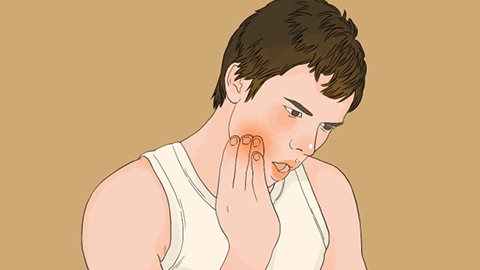
Without prompt and proper treatment, parotitis-related neck swelling may worsen and potentially lead to more serious conditions. Patients may present with fever, visible neck swelling, or localized sharp pain. Appropriate pharmacotherapy—or IV fluid administration—can significantly improve treatment outcomes.

During illness, it is advisable to avoid acidic foods such as vinegar, pickled vegetables, oranges, and kiwifruit, as well as hard or fatty foods including nuts and fried items. We hope this information proves helpful.


