


What Should You Do If Your Child Has Mumps?

Mumps in children is a very common disease, typically caused by the mumps virus—a respiratory infection. So, what should be done when a child develops mumps?
Management of Mumps in Children
Antiviral medications may be administered under a physician’s guidance; alternatively, traditional Chinese medicines with heat-clearing and detoxifying properties—such as Pudilan Oral Liquid—may be used. If myocarditis or meningitis develops, corticosteroids (e.g., adrenal cortical hormones) may be considered. Close care of the affected child is essential: strict bed rest is required, and the child should avoid unnecessary physical activity. During treatment of epidemic mumps, respiratory isolation, bed rest, and a liquid or soft diet are recommended. Acidic beverages should be avoided after meals; oral rinsing with normal saline should be performed promptly to maintain oral hygiene and prevent obstruction of the parotid duct, thereby avoiding disease progression. Symptomatic treatment should also be provided for specific clinical manifestations.
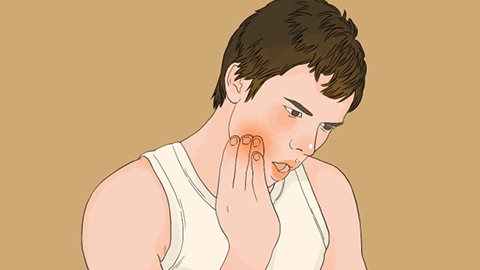
Mumps is caused by a viral infection. Traditional Chinese herbal remedies that clear heat and eliminate toxins may be beneficial. Fever should be promptly managed with antipyretics. If secondary bacterial infection is suspected, antibiotics may be considered. Given children’s relatively weak immune defenses, strict attention to personal hygiene and timely disinfection and isolation are critical for mumps patients.
Spicy and irritating foods should be avoided. Children with mumps should steer clear of spicy, irritating, raw, cold, or dry/hard foods. We hope this information proves helpful.


