


What causes nausea and vomiting at 5 months of pregnancy?

Once a woman becomes pregnant, her hormonal levels undergo significant changes, which can trigger various physical responses. One of the most common early pregnancy symptoms is morning sickness—characterized by nausea and, in more severe cases, vomiting—which is entirely normal. But what causes nausea and vomiting at five months of pregnancy?
What Causes Nausea and Vomiting at Five Months of Pregnancy?
Nausea and vomiting at five months’ gestation may result from progressive uterine enlargement, which compresses adjacent abdominal organs—including the stomach—especially after meals, leading to feelings of nausea or even vomiting. Overeating may also place excessive strain on the gastrointestinal tract. To aid digestion, avoid lying down immediately after eating; instead, take a gentle walk to promote gastrointestinal motility and absorption. The optimal sleeping position is left-side lying, as it enhances blood circulation.
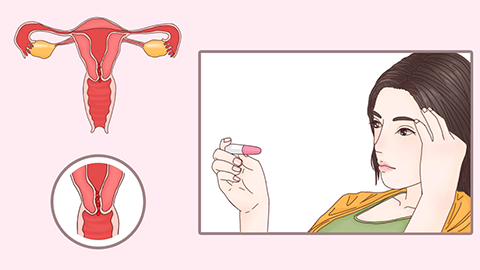
Dietary factors are another major contributor: consuming excessive amounts of greasy, spicy, or otherwise irritating foods; binge eating; or even a common cold causing slowed gastrointestinal motility may all provoke nausea and vomiting. Additionally, strong odors—such as cooking fumes or pungent scents—can trigger nausea and vomiting in pregnant women. When feeling nauseous, sipping warm water or eating sour fruits (e.g., oranges or lemons) may help alleviate discomfort. However, if nausea progressively worsens, prompt medical evaluation and treatment are essential.
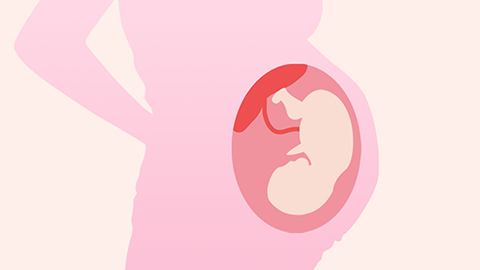
In daily life, maintain regular, balanced meals; avoid spicy, stimulating, or overly rich foods; refrain from overeating; and ensure adequate rest—avoiding late-night activities. We hope this information proves helpful.


