


What should I do if I have hemorrhoids and experience rectal bleeding during bowel movements?

Hemorrhoids are an especially troublesome condition. It is commonly said that “nine out of ten people suffer from hemorrhoids,” illustrating just how widespread this ailment is. When hemorrhoids occur, rectal bleeding during bowel movements is common. Prolapse of tissue from the anus often causes discomfort or even pain. Yet many individuals feel too embarrassed to discuss the issue or seek medical care—instead opting first for symptomatic relief. So, what should one do when experiencing rectal bleeding due to hemorrhoids?
What to Do When Experiencing Rectal Bleeding Due to Hemorrhoids
The specific treatment approach primarily depends on the severity of the local hemorrhoidal tissue. If clinical examination reveals hemorrhoids but they are relatively mild, conservative management is usually appropriate. This includes increasing dietary intake of fruits and vegetables, drinking ample water, and avoiding spicy foods. Additionally, sitz baths using warm water or potassium permanganate solution may be beneficial. Under a physician’s guidance, topical treatments such as hemorrhoid ointments or suppositories—or oral hemorrhoid capsules—may also be used. With consistent adherence to these measures, gradual improvement can be expected. However, if examination reveals severe hemorrhoids, conservative therapy alone may yield limited results. In such cases, surgical intervention—such as hemorrhoidectomy—may be necessary to remove the affected tissue; following surgery, bleeding typically resolves gradually and recurrence risk decreases.
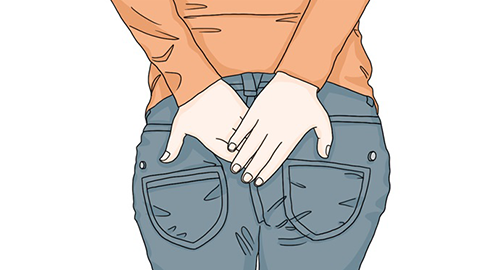
Maintaining anal hygiene is essential. Rectal bleeding associated with hemorrhoids indicates the presence of wounds in the anal canal or rectum, and feces contain numerous bacteria. Therefore, thorough cleansing of the anal area after each bowel movement is crucial to keep the region dry and clean, thereby preventing wound infection. A soothing sitz bath before bedtime can help alleviate anal discomfort. Ensure the water temperature is comfortable—not excessively hot—and limit the duration to approximately ten minutes.
Avoid consuming cold, spicy, greasy, or fried foods. Refrain from alcohol consumption, and instead emphasize fresh vegetables, fruits, and plenty of warm water. We hope this information proves helpful.


