


Is cervical tumor serious?
Aug 10, 2022
Source: Cainiu Health

Dr. Chen Zhe
Introduction
Cervical tumors include benign cervical tumors, precancerous cervical lesions, and cervical cancer. Benign cervical tumors are rare; however, cervical polyps and leiomyomas (fibroids) are relatively common. Treatment outcomes are generally favorable. Cervical tumors can be classified into three categories: precancerous cervical lesions, cervical cancer, and benign cervical tumors—such as cervical leiomyomas. If the condition involves uterine fibroids or other benign cervical tumors, it is typically not serious.
Cervical cancer is a malignant tumor arising in the cervix. It is important to clarify that cervical cancer is not a benign tumor—rather, it is inherently malignant. In rare cases, benign cervical tumors may occur, but these are distinct from cervical cancer. So, how serious are cervical tumors?
How serious are cervical tumors?
Cervical tumors encompass three categories: benign cervical tumors, precancerous cervical lesions (cervical intraepithelial neoplasia, or CIN), and cervical cancer. Benign cervical tumors are relatively uncommon; cervical polyps and leiomyomas (fibroids) are among the more frequently encountered types. Prognosis is generally favorable with appropriate management. Among these three categories—precancerous lesions, invasive cervical cancer, and benign tumors such as cervical leiomyomas—the latter are typically not serious. If benign tumors—for example, uterine or cervical leiomyomas—cause symptoms such as vaginal bleeding or significant compressive symptoms, surgical intervention may be indicated. Small asymptomatic cervical leiomyomas often require no treatment.
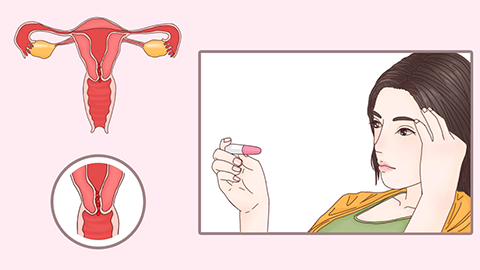
Precancerous cervical lesions, while not yet cancerous, carry risk: if left untreated, they may progress to invasive cervical cancer. Therefore, timely intervention—commonly via cervical conization—is essential. In contrast, cervical cancer itself is a malignant neoplasm and thus clinically serious. For women without future childbearing plans, total hysterectomy is often recommended. Prognosis depends on clinical stage, histopathological type, and treatment modality. Early-stage disease treated with either surgery or radiotherapy yields comparable outcomes. However, adenocarcinoma tends to respond less favorably to radiotherapy than squamous cell carcinoma, and patients without lymph node metastasis generally have better prognoses. In advanced cases, major causes of mortality include systemic infection, hemorrhage, and complications related to tumor progression.
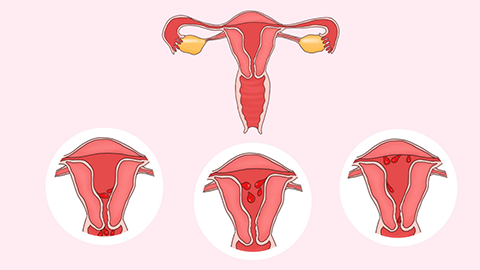
Dietary regulation and daily self-care play vital supportive roles in disease management. During early-stage cervical cancer—or during recovery from treatment—enhancing immune function and ensuring adequate nutrition are key. Recommended foods include milk, eggs, soy milk, lean meat, and organ meats (e.g., liver). We hope this information is helpful to you.




