


How long does root canal treatment for pulpitis take?

A healthy set of teeth contributes significantly to overall physical well-being. When pulpitis causes pain, it may directly impair eating habits and negatively affect general health—prompting the need for treatment. So, how long does root canal treatment for pulpitis take?
How Long Does Root Canal Treatment for Pulpitis Take?
Root canal treatment is a viable option for patients with pulpitis; however, the duration required depends on the complexity of the case. For pulpitis affecting anterior teeth (incisors and canines), treatment is relatively straightforward. Similarly, premolars are also comparatively easier to treat. Thus, in such cases, single-visit root canal treatment is often feasible. This “single-visit” approach encompasses all essential steps—including pulpectomy (removal of the pulp), root canal instrumentation (shaping), irrigation, and obturation (filling)—completed within one appointment. In contrast, treating posterior teeth (molars and premolars with complex anatomy) is more challenging; therefore, treatment typically requires multiple visits over approximately one month.
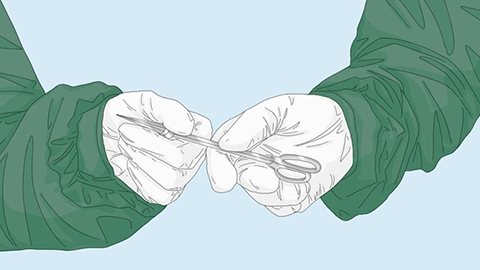
Timely intervention is crucial for pulpitis—especially when symptoms are present. With continuous advances in medical technology, numerous treatment options are now available. One common method is pulp devitalization, which involves sealing the affected area with chemical agents to induce necrosis of the inflamed pulp tissue, thereby relieving pain. Root canal treatment is another highly effective modality: it thoroughly removes necrotic debris from the root canal system, eliminating sources of irritation to the pulp. Moreover, root canal treatment preserves the natural appearance of the tooth and offers a relatively short treatment timeline—though the specific approach should always be tailored according to individual patient circumstances.
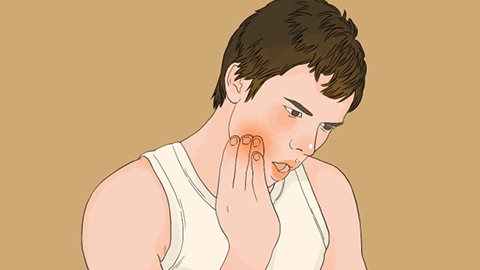
Patients are advised to consume warm, mild foods and increase intake of vegetables and fruits. Spicy, fried, or grilled foods should be avoided. We hope this information proves helpful.


