


What reactions occur with the tuberculosis skin test?

If you feel unwell and require antibiotic treatment, a skin test must be performed prior to initiating therapy. If the tuberculin skin test (TST) for tuberculosis is negative, antibiotics may be administered. However, if the test result is positive, antibiotics should not be used; thus, the skin test result is critically important—failure to interpret it correctly may lead to serious consequences. So, what reactions can occur after a tuberculosis skin test?
What reactions occur after a tuberculosis skin test?
Most patients experience no specific reaction following the tuberculosis skin test. However, a small number of individuals may develop localized skin symptoms—such as vesicles or induration—or systemic symptoms including fever, headache, and fatigue. Tuberculosis diagnosis cannot rely solely on the skin test; instead, it should integrate clinical symptoms, physical examination findings, blood tests, and imaging studies. Therefore, diagnosing tuberculosis requires comprehensive evaluation—the skin test serves only as an indirect, supportive diagnostic tool.
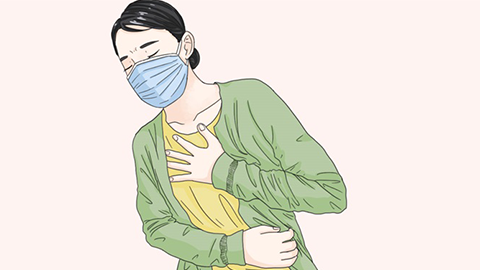
The primary treatment involves anti-tuberculosis medications, which must be initiated promptly and used appropriately. Patients require rational combination therapy with carefully calibrated dosages—not excessively high. Close monitoring of disease progression throughout treatment is essential. The standard duration of tuberculosis treatment typically ranges from six to nine months. Strict adherence to the full course of medication is mandatory; when these criteria are met, treatment success rates reach up to 98%.
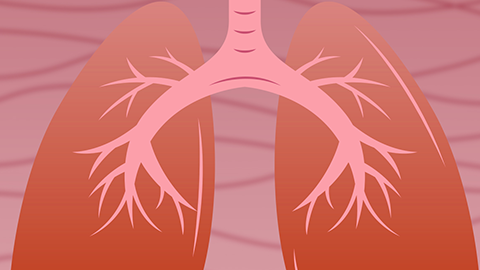
In daily life, maintain a regular, balanced diet—avoid spicy, irritating foods and overeating, and refrain from staying up late. We hope this information is helpful to you.


