


Can old pulmonary tuberculosis recur?

Tuberculosis (TB) is common in both men and women. Pulmonary tuberculosis—the most common form—is a respiratory infectious disease. Healthy individuals should avoid close contact with TB patients to prevent infection. Particular attention should be paid to patients who test positive for acid-fast bacilli in sputum examinations. But can inactive (old) pulmonary tuberculosis recur?
Can inactive pulmonary tuberculosis recur?
Yes, inactive tuberculosis can reactivate—but not all old TB infections will recur. Reactivation occurs only under certain conditions, such as underlying diseases that compromise immunity. For example, immunocompromised individuals—such as those with HIV/AIDS—are at high risk for TB reactivation due to chronically suppressed immune function. Other conditions associated with increased risk include chronic hepatitis and diabetes mellitus. Indeed, the co-occurrence of diabetes and TB is rising annually, as these two diseases mutually exacerbate each other and predispose patients to TB reactivation.

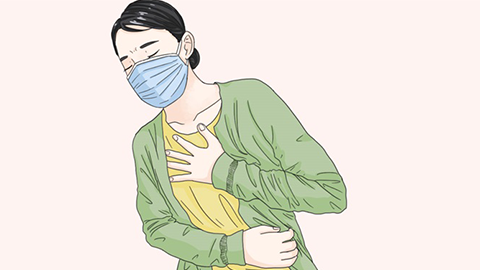
Pulmonary tuberculosis is an airborne disease transmitted via the respiratory tract—typically through inhalation of droplets generated when an infected person coughs, sneezes, or speaks. Common clinical manifestations of active TB include persistent cough, sputum production, hemoptysis, chest pain or tightness, night sweats, unintentional weight loss, and generalized weakness. “Inactive pulmonary tuberculosis” refers to a prior TB infection that has been successfully treated with anti-TB therapy and meets cure criteria; on chest X-ray, most lesions appear calcified.
In daily life, patients should maintain a positive mindset, actively cooperate with their physicians during treatment, take prescribed medications regularly and in full dosage, and pay attention to routine self-care—so as to facilitate prompt clinical improvement. We hope this information is helpful to you.


