打完耳洞头晕恶心耳鸣
Aug 10, 2022
Source: Cainiu Health

Dr. Xu Gang
Introduction
打完耳洞头晕恶心耳鸣可以通过补充营养素、适当的锻炼等Method缓解,一些头晕耳鸣的Patient主要是由于营养不足引起的。对于这些Patient,应注意营养均衡,避免偏食,多吃富含钙、铁、锌、硒等微量元素的食物,多吃鱼、蛋、肉,补充身体营养。
In fact, dizziness, nausea, and tinnitus are common symptoms encountered in daily life, and they can significantly impair a patient’s normal functioning. Therefore, prompt, individualized treatment is essential to effectively control the condition and minimize the risk of recurrence.
Dizziness, Nausea, and Tinnitus After Ear Piercing
Dizziness, nausea, and tinnitus following ear piercing may be alleviated through nutritional supplementation and appropriate physical exercise. In many cases, these symptoms stem from nutritional deficiencies. Patients should therefore maintain a balanced diet, avoid picky eating habits, and consume foods rich in trace elements such as calcium, iron, zinc, and selenium—such as fish, eggs, and lean meats—to replenish essential nutrients. Adequate rest is also crucial; prolonged late-night activity should be avoided. This approach helps rapidly enhance immune function and prevent disease progression. Additionally, patients with dizziness and tinnitus should engage regularly in moderate physical activities—such as jogging, cycling, or morning walks—to strengthen overall physical fitness and aid both prevention and management of these symptoms.
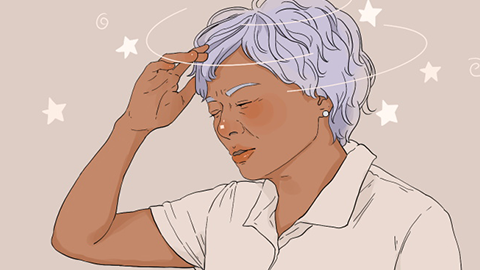
Dizziness, nausea, and tinnitus may also result from excessive mental or occupational stress. It is important to adopt healthy coping strategies for emotional release—for example, engaging in boxing or having open conversations with friends. Chronic psychological stress can manifest physically and contribute to illness. Seeking professional support from a psychologist may be beneficial, as mental well-being is fundamental to maintaining physical health.
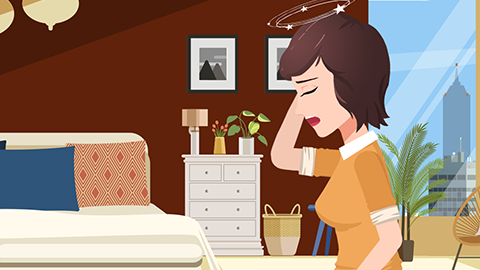
Patients experiencing dizziness, nausea, and tinnitus should cultivate sound work and lifestyle habits: adhere to regular working and sleeping schedules, avoid overexertion, ensure high-quality sleep, maintain emotional stability, and refrain from excessive excitement. We hope this information proves helpful to you.