


Can flat warts be transmitted to others?

Flat warts are a relatively common skin condition and possess a certain degree of contagiousness. Although this condition does not pose a threat to the patient’s physical health, it can impair skin appearance and interfere with normal daily life and work, causing significant distress to the patient. Therefore, prompt treatment is essential upon diagnosis to prevent disease progression. But can flat warts be transmitted to others?
Can flat warts be transmitted to others?
Yes, flat warts are contagious. This condition is caused by infection with human papillomavirus (HPV), leading to wart-like epidermal hyperplasia. Transmission most commonly occurs via direct skin-to-skin contact. When affected skin comes into contact with healthy skin, viral colonization may occur at the site of contact. If the exposed individual has compromised immune function or impaired skin barrier integrity, infection may develop. Following infection, new warts may form—exhibiting clinical features identical to those of the original flat warts.
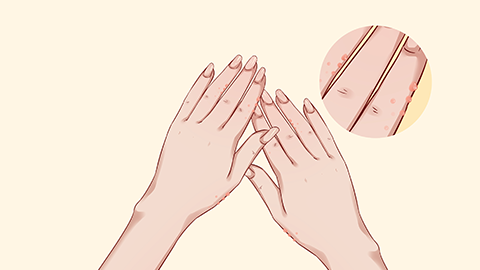
Flat warts are a highly prevalent viral infectious disease, frequently occurring on exposed areas such as the face, dorsum of the hands, and forearms. As a viral infection, flat warts exhibit autoinoculation—meaning that scratching or traumatizing existing lesions may transfer the virus beneath the fingernails. Subsequently, if the infected nails scratch other areas of the skin, viral inoculation may occur at those sites, potentially triggering new lesions. Numerous treatment options exist; certain traditional Chinese herbal formulas administered orally have demonstrated good efficacy for some cases of flat warts.
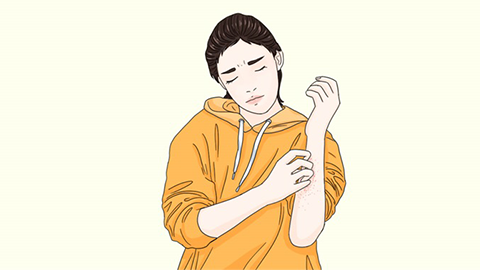
In daily life, patients should maintain regular dietary habits—avoiding spicy, stimulating, or excessively rich foods, refraining from binge eating, and ensuring adequate sleep to prevent late-night activity. We hope this information proves helpful.


