


Why can ursodeoxycholic acid cause pancreatitis?

There are numerous causes of pancreatitis. For example, long-term unhealthy dietary habits—such as binge eating—may trigger pancreatitis. Pathologically, pancreatic duct obstruction and gallstones can also lead to pancreatitis. Once pancreatitis develops, patients commonly experience abdominal pain alongside other symptoms.
Why Can Ursodeoxycholic Acid Cause Pancreatitis?
Ursodeoxycholic acid (UDCA) may induce pancreatitis because it exerts harmful effects on the pancreas. UDCA capsules are primarily used to treat cholesterol gallstones, cholestatic liver disease, and bile reflux gastritis; their main active ingredient is ursodeoxycholic acid. After oral administration, UDCA reduces cholesterol saturation in bile by inhibiting intestinal cholesterol reabsorption and decreasing cholesterol secretion into bile, thereby gradually dissolving cholesterol gallstones and exerting its therapeutic effect. In the treatment of hepatic and cholestatic disorders, UDCA capsules demonstrate cytoprotective effects, largely attributable to their hydrophilic properties.
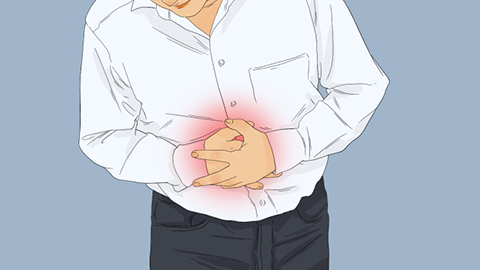
Pancreatitis is classified into two types: acute and chronic. Acute pancreatitis is particularly severe and carries the highest mortality rate. Typical symptoms include abdominal pain—often persistent and colicky—which may radiate to the waist and back. Nausea and vomiting (sometimes with bilious content) may also occur, accompanied by adverse manifestations such as rapid hypotension and cold sweats.

In daily life, patients should maintain a positive mindset, actively cooperate with physicians during treatment, take prescribed medications regularly and at the correct dosage, and pay attention to routine self-care—thus facilitating prompt clinical improvement. We hope this information proves helpful to you.


