


Are tonsils the same as the uvula?
Aug 10, 2022
Source: Cainiu Health

Dr. Xu Gang
Introduction
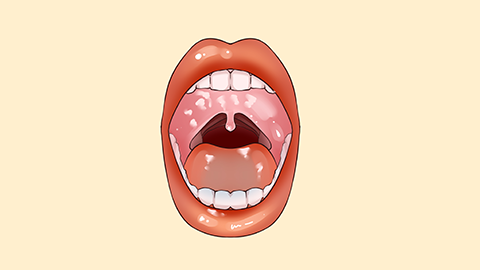
People often say that the “little tongue” is not the tonsil; medically, it is called the uvula. During a tonsil examination, an otolaryngologist asks the patient to open their mouth, uses a tongue depressor to press down on the tongue, and instructs the patient to say “ah.” At this time, in addition to the tonsils located on both sides of the pharyngeal cavity, a small, conical, pendulous soft tissue structure can also be observed at the midline of the posterior margin of the soft palate—the roof of the oral cavity.
Tonsil cancer is a relatively common condition with numerous potential causes. Many children and elderly individuals frequently suffer from tonsil-related illnesses; therefore, maintaining overall health and adopting effective preventive measures are essential to reduce disease risk. But is the tonsil the same as the “little tongue”?
Is the tonsil the “little tongue”?
The so-called “little tongue” is not the tonsil; medically, it is known as the uvula. During a tonsil examination, an otolaryngologist will ask the patient to open their mouth wide, use a tongue depressor to gently press down on the tongue, and instruct the patient to say “ah.” At this point, in addition to the tonsils located on both sides of the pharyngeal cavity, a small, cone-shaped, freely movable soft tissue structure can be observed hanging from the midline of the posterior border of the soft palate—the uvula. Because it moves slightly up and down during phonation (especially when saying “ah”), laypeople commonly refer to it as the “little tongue.” In fact, the uvula is part of the soft palate—not a tonsil nor the tongue itself—but rather a distinct anatomical structure situated between the bilateral tonsils. All healthy individuals possess a uvula; thus, there is no need for alarm or anxiety upon observing a “little tongue” between the tonsils during self-examination using a mirror.
Clinically, patients with tonsil involvement may be diagnosed with acute tonsillitis—typically secondary to upper respiratory tract infection. The predominant symptom is sore throat, particularly exacerbated during swallowing. Some patients also experience referred ear pain, along with swelling of submandibular and cervical lymph nodes. Systemic manifestations include chills, high fever, headache, and even loss of appetite. Treatment focuses primarily on active anti-inflammatory management. First-line therapy generally involves penicillin-class antibiotics; commonly used agents in clinical practice include amoxicillin capsules and phenoxymethylpenicillin potassium tablets. However, prior to administration, it is imperative to ascertain whether the patient has any history of penicillin allergy to prevent potentially serious allergic reactions.

Patients must strictly avoid alcohol consumption during antibiotic treatment. With approximately one week of appropriate therapy, most patients experience marked clinical improvement. If symptoms fail to resolve or worsen, prompt medical evaluation is essential to prevent disease progression or complications. We hope this information proves helpful.





