


How is sigmoid colon disease treated?

Sigmoid colon disorders remain common in daily life and are typically chronic conditions. Without timely and effective treatment, they can cause severe pain for patients. Therefore, prompt medical intervention is essential upon diagnosis. So, how are sigmoid colon disorders treated?

How Are Sigmoid Colon Disorders Treated?
In general, treatment strategies for sigmoid colon disorders depend on the specific underlying condition. Patients are commonly managed through dietary modifications, pharmacotherapy, or surgical intervention. A detailed breakdown follows:
1. Dietary Management
Patients should consume light, easily digestible foods to replenish nutrients depleted by the disease, thereby supporting recovery.
2. Pharmacological Treatment
For uncomplicated sigmoid colon disorders, appropriate medications may be prescribed; however, drug selection and dosing must be guided by a qualified physician.
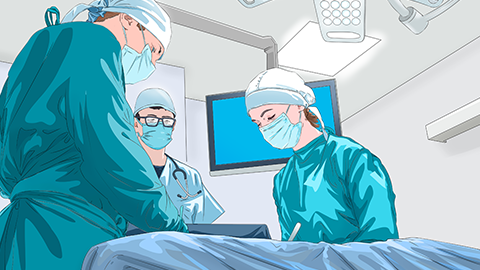
3. Surgical Treatment
Hyperplasia of the sigmoid colon mucosa may lead to sigmoid colon polyps, which require timely endoscopic polypectomy. Sigmoid colon cancer—a malignant neoplasm—necessitates prompt surgical resection following definitive diagnosis by a physician.
If you suspect or are diagnosed with a sigmoid colon disorder, seek medical attention promptly to avoid disease progression and potentially serious complications.


