


What should I do if my tonsils hurt?

The tonsils remain highly important to the human body, helping defend the mouth and nose against invading bacteria and viruses. However, due to their unique anatomical location, the tonsils are also more susceptible to external pathogens. So, what should you do if your tonsils hurt?
What to Do for Tonsil Pain
For tonsil pain, lifestyle adjustments should be the first step: quit smoking and alcohol, avoid spicy foods, and take precautions against colds. Some patients who neither smoke nor drink may still develop pharyngitis. These individuals often have weakened immune systems, frequently catch colds, and consequently experience tonsil pain. Secondly, if no bacterial infection is present and only routine pharyngitis exists, traditional Chinese medicine (TCM) may be used—for example, oral Jinhou Liyan Capsules, Yanbian Granules, or Manyan Shuning. For more complex infections—such as those accompanied by elevated white blood cell counts on blood tests—intravenous antibiotic therapy may be warranted. Crucially, managing tonsil pain hinges on cultivating healthy daily habits; medications serve only as an adjunctive measure. Indeed, tonsil pain is itself a manifestation of pharyngitis.
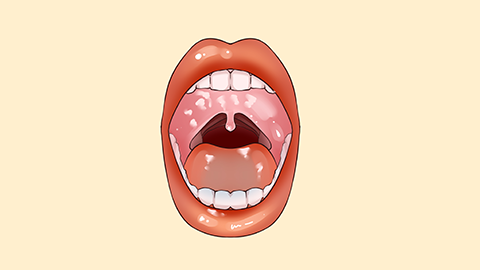
Firstly, diseases directly affecting the tonsils can cause pain. Conditions such as acute or chronic tonsillitis, peritonsillar abscess, or tonsilloliths may trigger local inflammatory infection or mechanical irritation from stone formation, resulting in discomfort. Secondly, diseases adjacent to the tonsils may also contribute. For instance, acute or chronic pharyngitis, epiglottitis, or even angina pectoris can produce irritating secretions that spread to the tonsils, inducing referred or irritative tonsil pain.
In daily life, maintain a light diet, ensure adequate rest, avoid overwork-induced tonsillitis, and engage in regular physical exercise to strengthen your immune system. We hope this information proves helpful to you.


