


How to remove tonsil stones

As society advances, an increasing number of diseases continue to affect people’s daily lives—tonsil stones being one such condition. So, how are tonsil stones removed?
How Are Tonsil Stones Removed?
Tonsil stones (or tonsilloliths) are a common otolaryngological condition that often causes symptoms including a foreign-body sensation in the throat, irritative coughing, pharyngeal pruritus (itching), and halitosis (bad breath). Removal may be achieved through either conservative management or surgical intervention. Most patients respond well to conservative treatment; therefore, prompt consultation with an otolaryngologist is recommended upon symptom onset. Laryngoscopy helps assess disease severity, and tonsil stones can be manually extracted using forceps, followed by regular follow-up care. Additionally, rinsing the mouth with warm saline solution or Kangfuxin solution (a traditional Chinese medicine preparation) may aid in dislodging and expelling the stones. Symptom relief typically follows successful removal. In daily life, maintaining good oral and pharyngeal hygiene—and minimizing exposure to upper respiratory infections and tonsillitis—is essential. However, if tonsil stones are numerous, persist for a prolonged duration, cause multiple clinical symptoms, and fail to improve despite standardized conservative therapy, surgical intervention may be considered—especially when symptoms significantly impair work performance, quality of life, or interpersonal communication.
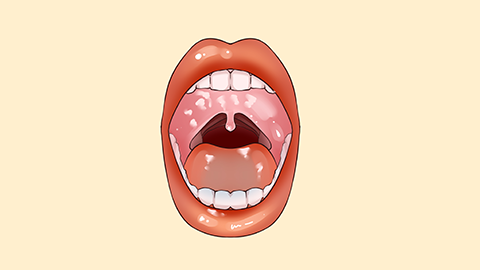
Tonsil stones commonly form within the crypts (small recesses) of the tonsils located at the back of the tongue and in the mucus behind the nasal cavity, where clusters of bacteria tend to accumulate. Routine brushing and mouth rinsing alone are insufficient to eliminate these bacteria effectively. When bacteria remain lodged in the tonsillar crypts over time, insoluble inorganic salts—such as calcium and magnesium—gradually deposit there, ultimately forming tonsil stones. With improved living standards, many individuals engage in habits such as smoking, alcohol consumption, and frequent intake of fish and meat, while neglecting oral hygiene. These factors promote bacterial accumulation and proliferation in the oral cavity, thereby increasing susceptibility to tonsil stones.

Maintain a light, balanced diet rich in water and easily digestible foods. We hope this information proves helpful to you.


