


Is it normal for a 3-month-old baby to drool?

In real life, some parents notice that their child is drooling, which causes significant psychological distress and concern about whether something might be wrong with the child. So, is drooling normal in a 3-month-old baby?
Is drooling normal in a 3-month-old baby?
Yes, drooling is normal in a 3-month-old baby. At this age, salivary gland secretion is particularly active, while the infant’s swallowing function is not yet fully developed. Consequently, the saliva produced cannot be completely swallowed into the stomach, leading to drooling. Additionally, babies around 3 months of age are beginning to enter the early stage of teething—where teeth and dental follicles start to emerge outward—further contributing to drooling. Therefore, parents need not be overly concerned. As long as the baby is feeding normally (e.g., taking milk adequately), appears alert and cheerful, and sleeps well, no special intervention or treatment is required.
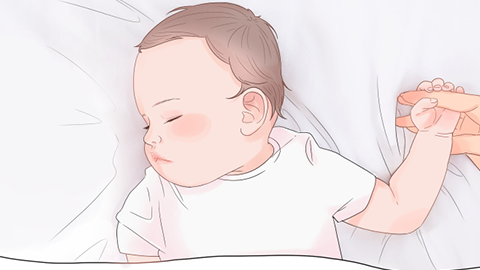
At 3 months, a baby’s salivary glands begin to develop and their function gradually improves, resulting in increased saliva production. Simultaneously, teeth start to erupt, forming dental sacs and other related structures, which may cause gum itching or discomfort and trigger excessive salivation—leading to drooling. As long as the baby’s feeding, sleep, and overall development remain normal, there is no cause for concern.
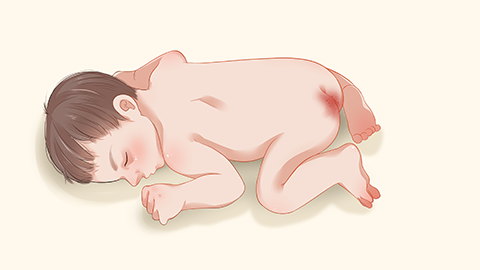
In daily care, pay special attention to protecting the skin around the baby’s mouth—rinse it gently with clean water at least twice per day. We hope this information has been helpful to you.


