


What symptoms are associated with abnormal vaginal discharge?

Excessive sexual activity and failure to change sanitary pads regularly during menstruation can lead to abnormal vaginal discharge in many women. So, what are the symptoms of abnormal vaginal discharge?
What Are the Symptoms of Abnormal Vaginal Discharge?
Abnormal vaginal discharge commonly presents as colorless and transparent discharge, frothy discharge, or curd-like (cottage cheese–like) discharge. A detailed breakdown follows:
1. Colorless, Transparent Discharge
This type is often caused by estrogen-stimulating medications and is more common in women with weakened constitutions. Although the discharge appears normal in appearance, it is typically increased in volume and may be accompanied by low back pain and fatigue. In most cases, no specific treatment is required.
2. Frothy Discharge
This is commonly associated with conditions such as trichomoniasis vaginitis or chronic cervicitis. Clinically, it manifests as yellow or yellow-green discharge containing visible foam, often accompanied by pruritus vulvae (itching of the external genitalia).
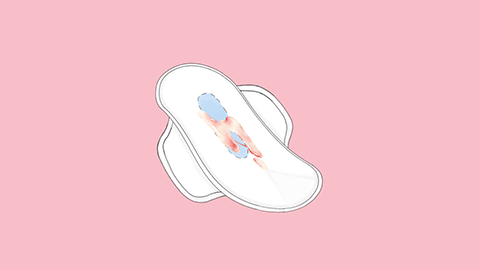
3. Curd-Like (Cottage Cheese–Like) Discharge
This is typically caused by vulvovaginal candidiasis (a fungal infection). The discharge contains white, clumpy, curd-like particles and is frequently associated with intense itching.

In addition to the above manifestations, other abnormal types include purulent (pus-containing) and blood-tinged discharge. If any of these abnormalities occur, prompt medical consultation is recommended to avoid disease progression or complications. Maintaining good personal hygiene practices can also help alleviate symptoms. We hope this information is helpful to you!


