


What are the symptoms of Heart and Gallbladder Qi Deficiency?

The primary cause of Heart-Gallbladder Qi Deficiency is dysfunction of the internal organs—particularly the Spleen. Due to Spleen-Qi deficiency, patients experience reduced appetite and develop acquired Spleen-Stomach dysfunction. Treatment focuses primarily on strengthening the Spleen and supplementing Qi. Specific herbal prescriptions should be selected under the guidance of a qualified physician. So, what are the symptoms of Heart-Gallbladder Qi Deficiency?
What Are the Symptoms of Heart-Gallbladder Qi Deficiency?
Heart-Gallbladder Qi Deficiency mainly manifests as palpitations and shortness of breath. This pattern itself may contribute to cardiovascular disorders—including palpitations, chest obstruction (chest bi syndrome), and chest pain. Additionally, it may trigger emotional disturbances such as insomnia, anxiety, fear, and panic attacks. For conditions rooted in Heart-Gallbladder Qi Deficiency, symptomatic treatment is recommended. For certain cardiac symptoms, formulas such as An Shen Ding Zhi Wan (Calming the Spirit and Stabilizing the Will Pill) or Tian Wang Bu Xin Dan (Emperor’s Heart-Nourishing Pill) may be prescribed.
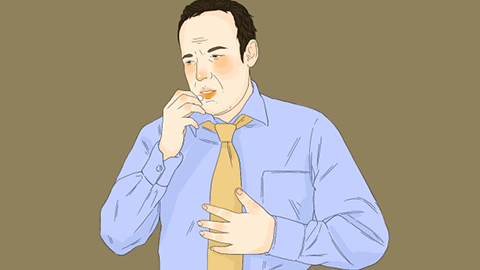
For insomnia caused by Heart-Gallbladder Qi Deficiency, calming and brain-nourishing herbs that soothe the spirit may be used. If timidity and Qi deficiency are present, patients should avoid tension, anxiety, and depression, and maintain a regular daily routine. Should symptoms persist without improvement, prompt consultation at a reputable hospital is advised.
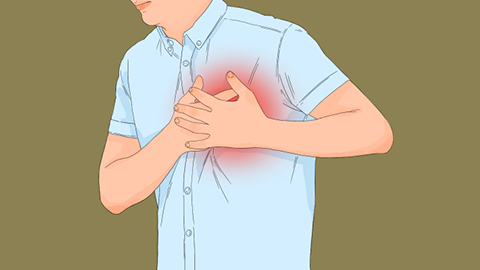
In daily life, patients should maintain an optimistic mindset, actively cooperate with their physicians’ treatment plans, take medications regularly and as prescribed, and pay attention to routine self-care—thus facilitating timely improvement of their condition. We hope this response has been helpful to you.


