


Distinguishing Between Heart Disease and Gastric Disorders
Aug 10, 2022
Source: Cainiu Health

Dr. Li Man
Introduction
Differences Between Symptoms of Heart Disease and Gastric Disorders
Symptoms of gastric disorders may include belching, indigestion, and other related manifestations; however, differentiation based solely on symptoms is unreliable. Heart disease and gastric disorders are two distinct conditions, yet they share certain overlapping clinical features. Heart disease primarily encompasses coronary artery disease, angina pectoris, and myocardial infarction—conditions that commonly occur during physical exertion or activity, but may also manifest at rest.
Both heart disease and gastric disorders are common conditions, and dizziness may occur in patients with either condition. So, what are the key differences between heart disease and gastric disorders?
Differences Between Heart Disease and Gastric Disorders
Although symptoms of gastric disorders may include belching and indigestion, symptom-based differentiation alone is unreliable. Heart disease and gastric disorders are distinct clinical entities, yet they share certain overlapping features in their clinical presentations. Heart disease primarily encompasses coronary artery disease, angina pectoris, and myocardial infarction. Episodes often occur during physical exertion or activity but may also arise at rest. The duration of an episode is typically brief: angina attacks usually last no longer than 30 minutes; pain persisting beyond 30 minutes warrants suspicion of myocardial infarction. Additionally, the pain is often severe and accompanied by anxiety, diaphoresis (sweating), and chest tightness. In cases of myocardial infarction, patients may experience profuse sweating and a sense of impending doom. Electrocardiography (ECG) commonly reveals characteristic abnormalities.

In contrast, gastric pain is typically localized to the epigastric region (just below the xiphoid process) and is often associated with tenderness upon palpation. Its onset frequently correlates with dietary intake, its duration is variable, and the intensity is generally mild—often described as dull or aching pain—accompanied by nausea and vomiting. Importantly, ECG findings remain unchanged (i.e., no dynamic changes).
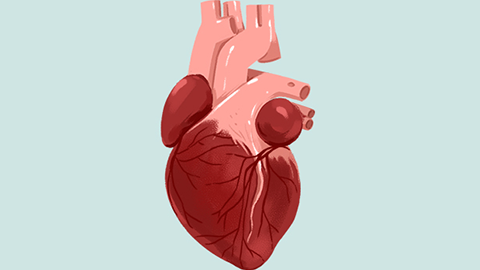
Treatment for heart disease may include isosorbide mononitrate (e.g., Isordil), Musk-Heart-Preserving Pills (Shexiang Baoxin Wan), aspirin, and simvastatin. Gastric disorders are managed symptomatically with medications such as omeprazole, colloidal bismuth subcitrate (often referred to as “bismuth subsalicylate” in English contexts, though here likely referring to bismuth-based gastric protectants), and sucralfate. Dietary recommendations emphasize easily digestible, liquid, and bland foods; spicy, greasy, or otherwise irritating foods should be avoided. We hope this article has been helpful. Wishing you a joyful life and good health!


