


Tinnitus is worse at night.

In daily life, many people experience tinnitus. Due to persistent or intermittent tinnitus, patients often become highly agitated and anxious. These negative emotions can exacerbate tinnitus symptoms, creating a vicious cycle—and tinnitus may even lead to hearing loss. So, does tinnitus worsen at night?
Tinnitus Often Worsens at Night
If a patient experiences tinnitus during nighttime sleep, it is advisable to actively use medications that improve microcirculation and nourish the nerves. Commonly prescribed drugs include Nicergoline tablets and Oryzanol. Patients are advised to take these medications regularly for one week. Acupuncture may serve as an effective adjunctive therapy. Additionally, taking sedative medications—such as Biluoming capsules—before bedtime can help calm the nervous system. Once sleep quality improves, tinnitus symptoms often lessen to some extent. In daily life, patients should avoid noisy environments; gently massaging the auricle can promote local blood circulation. Furthermore, consuming fish and shrimp—rich dietary sources of zinc—may help alleviate tinnitus, as zinc deficiency has been associated with tinnitus improvement.

The adverse effects of tinnitus include significant interference with work and daily life. Because tinnitus impairs auditory clarity, patients often struggle to understand others’ speech—greatly affecting their professional performance and personal life. Poor communication further hinders social interactions, and when combined with anxiety and depression, overall quality of life declines substantially.
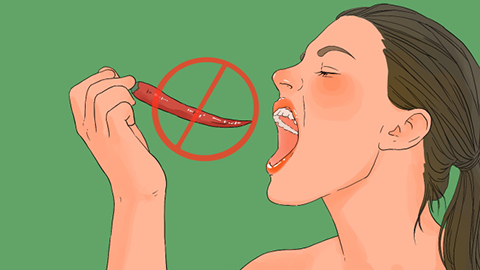
Patients are advised to maintain a regular sleep schedule and avoid spicy or irritating foods. We hope this information proves helpful.


