What should I do if hemorrhoids are itchy?
Aug 10, 2022
Source: Cainiu Health

Dr. Cheng Yicheng
Introduction
It is recommended to keep the affected area dry and bathe with a pepper-salt solution, while maintaining frequent cleansing to alleviate symptoms. However, patients are also advised to avoid or limit consumption of spicy foods, seafood, and other potential triggers or irritants, which may help improve perianal eczema. Nevertheless, this condition tends to recur easily; itching and discomfort often reappear when patients neglect proper care. Other conditions may also be present.
Itching associated with hemorrhoids is primarily caused by perianal moisture. External hemorrhoids deepen the skin folds around the anus; accumulation of bacteria and contaminants within these folds can irritate the surrounding perianal skin, leading to itching—and even perianal eczema. So, what should one do when experiencing hemorrhoid-related itching?
What to Do for Hemorrhoid-Related Itching
It is recommended to keep the affected area dry and bathe regularly using warm water mixed with pepper and salt to alleviate symptoms. Additionally, patients should avoid spicy foods, seafood, and other known triggers or irritants, as this may help improve perianal eczema. However, this condition often recurs, especially when patients neglect proper care—itching and discomfort frequently reappear. Other conditions—such as chronic hemorrhoids or anal fistulas that repeatedly discharge pus—can also cause perianal itching. A definitive diagnosis, identifying the underlying cause, can be established through appropriate clinical evaluation, enabling targeted treatment based on the specific etiology.
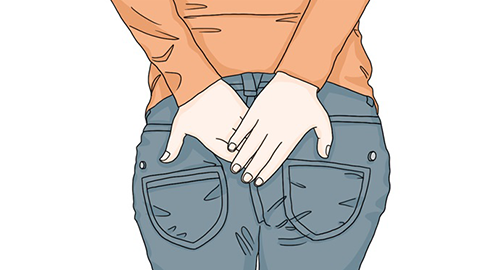
Perianal itching is also a prominent symptom experienced by many patients. Because the anus contains numerous nerve endings, itching in this region tends to feel more intense and uncomfortable than itching elsewhere on the body. Moreover, due to the private nature of this area, scratching is inconvenient and socially inappropriate—causing significant distress for many patients. Notably, many younger patients experience perianal itching during or after work, which can interfere with occupational performance.

In daily life, maintain a regular, balanced diet—avoid spicy and irritating foods, overeating, and staying up late. We hope this information proves helpful to you.