


What should I do if hives also appear on my face?

In real life, many female patients suffer from urticaria—a common skin disorder. Due to its visible symptoms, urticaria often imposes significant psychological stress on affected women, leading to feelings of frustration and distress, particularly because it compromises personal appearance. So, what should be done if urticaria appears on the face?
What to Do If Urticaria Appears on the Face
Facial urticaria can be alleviated through identification and elimination of underlying triggers, combined with appropriate pharmacological treatment. To effectively control urticaria, the first step is to identify its cause. If medications are responsible, they should be discontinued or substituted under a physician’s guidance. For physically induced urticaria—triggered by cold, heat, stress, sunlight, or exercise—patients should make lifestyle adjustments to minimize exposure to these stimuli. Histamine plays a key role in the inflammatory process by relaxing blood vessels and increasing vascular permeability.
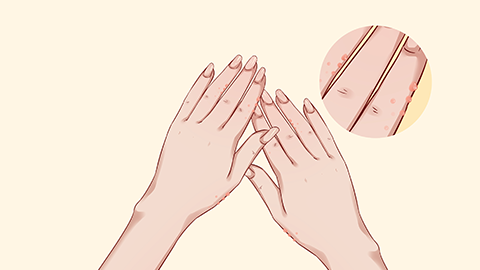
However, histamine must bind to histamine receptors to exert its effects. Antihistamine H1-receptor antagonists possess molecular structures highly similar to histamine, enabling them to bind competitively to histamine receptors in advance. As a result, endogenous histamine cannot bind to its receptors, thereby suppressing inflammation and relieving urticarial symptoms. Glucocorticoids exhibit potent anti-inflammatory effects and can temporarily suppress immune cell activity and halt immune responses.
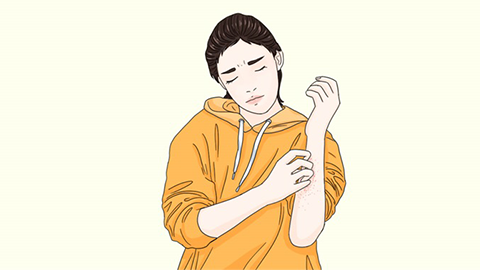
In daily life, patients should maintain a positive mindset, actively cooperate with their physicians during treatment, take prescribed medications consistently and as directed, and pay close attention to routine self-care—thus facilitating prompt improvement of their condition. We hope this information proves helpful to you.


