


Can urticaria be exposed to wind?

Urticaria has diverse etiologies, and its clinical manifestations vary accordingly. Accurate assessment of urticarial symptoms is essential to guide appropriate treatment strategies. However, although many people are familiar with urticaria, they often lack understanding of its characteristic features—potentially compromising subsequent management. So, can patients with urticaria be exposed to wind?
Can patients with urticaria be exposed to wind?
No, patients with urticaria should avoid exposure to wind. In traditional Chinese medicine (TCM), urticaria is commonly attributed to loose skin texture and invasion by pathogenic wind—either “wind-heat,” “wind-cold,” or “deficient exterior wind.” Accordingly, TCM pattern differentiation identifies these subtypes, and treatment may involve herbal formulas such as Yu Ping Feng San (Jade Windscreen Powder), Ma Huang Tang (Ephedra Decoction), or Yin Qiao San (Honeysuckle and Forsythia Powder). These prescriptions often include wind-expelling herbs—such as Fang Feng (Saposhnikovia root) and Jing Jie (Schizonepeta herb)—as well as insect-derived ingredients like Chan Tui (Cicada molting). After bathing, the body must be thoroughly dried to prevent wind exposure from exacerbating the rash; additionally, spicy and irritating foods should be avoided.
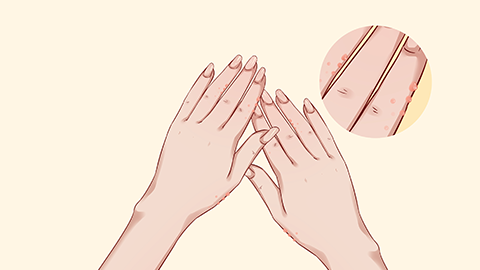
Attention should be paid to environmental hygiene and cleanliness. Maintaining regular daily routines, adequate sleep, and consistent moderate exercise helps strengthen physical constitution and enhance cutaneous defense mechanisms—thereby reducing susceptibility to urticaria triggered by skin irritation or infection. Although urticaria can be stubborn and persistent, delayed or inadequate treatment may lead to serious complications. Nevertheless, by addressing its underlying causes and implementing appropriate preventive measures, the incidence of urticaria can be effectively reduced, minimizing both skin damage and disease recurrence.
In daily life, dietary habits should be regulated: avoid spicy, stimulating, or excessively rich foods; refrain from overeating or irregular meals; and ensure sufficient rest—avoiding late-night activities. We hope this information proves helpful.


