脚气去医院挂What科
Aug 10, 2022
Source: Cainiu Health

Dr. Liu Wan
Introduction
要看脚气病,需要去正规医院的Skin科。不能相信任何偏方,脚气病是由真菌感染引起的,这通常一起穿鞋子和袜子有关。尽量避免一起穿鞋子和袜子。最好将鞋子和袜子暴露在阳光下,并及时更换。在Doctor的Recommendation下,使用咪康唑乳膏和其他抗真菌Medicine进行Treatment。
In fact, many people suffer from athlete’s foot (tinea pedis) in daily life. To reduce its incidence, it is essential to understand its underlying causes. Most cases are caused by fungi; however, molds or bacteria may also be responsible. Additionally, thickened stratum corneum on the feet can promote gradual mold growth and lead to pronounced symptoms of athlete’s foot. So, which department should one visit for athlete’s foot at a hospital?
Which Department Should You Visit for Athlete’s Foot?
To seek treatment for athlete’s foot, you should visit the Dermatology Department at a reputable hospital. Do not rely on unproven folk remedies—athlete’s foot is caused by fungal infection, commonly associated with sharing footwear and socks. Avoid sharing shoes and socks whenever possible. Ideally, expose shoes and socks to direct sunlight regularly and replace them promptly. Under a physician’s guidance, apply antifungal medications such as miconazole cream. Concurrent traditional Chinese medicine (TCM) therapy may also be used effectively. Even after symptoms resolve, continue treatment for an extended period to ensure complete eradication of the fungus.
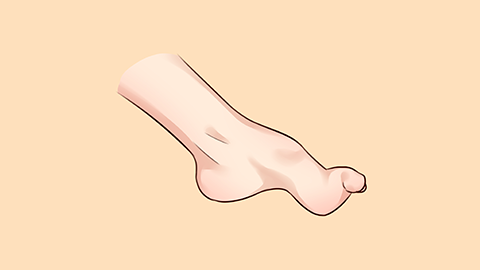
Currently, this condition has a high prevalence and is notoriously persistent, often recurring repeatedly. Chronic athlete’s foot significantly impacts patients’ health and daily life. Therefore, athlete’s foot—and similar conditions—must not be overlooked; instead, patients should seek effective, specialized medical care. If you suspect athlete’s foot, consult a dermatologist. Prior to initiating treatment, laboratory tests and imaging studies are typically required. A thorough review of the patient’s medical history and physical changes is also necessary to establish an accurate diagnosis. Once diagnosed, prompt treatment is essential.

Before treating athlete’s foot itself, secondary infections should be addressed first. For refractory cases, systemic antifungal therapy may be considered. During systemic treatment, potential adverse effects must be closely monitored. In particular, patients with impaired liver function require careful drug selection. We hope this information proves helpful.