


How to treat cracked athlete’s foot

Foot fissures are a common condition, frequently occurring during winter and dry seasons—especially on the heels. Mild cases present with dryness, thickened stratum corneum, and superficial cracks. In severe cases, deep fissures may cause pain and bleeding. Treatment varies depending on the underlying cause and severity; therefore, accurate diagnosis and individualized management are essential—not to be confused or generalized. So, how should foot fissures caused by tinea pedis (athlete’s foot) be treated?
How to Treat Foot Fissures Caused by Tinea Pedis
Treatment for tinea pedis–related foot fissures requires a comprehensive approach targeting fungal infection, skin dryness, and associated allergic inflammation. A positive mycological test (e.g., KOH microscopy or fungal culture) confirms the diagnosis. Oral antifungal therapy—such as itraconazole capsules or terbinafine hydrochloride tablets—may then be prescribed. Concurrently, topical emollients should be applied regularly; options include vitamin E ointment or dimethicone ointment. For markedly hyperkeratotic heel areas, adjunctive keratolytic therapy with tretinoin ointment may be beneficial. If pruritus is prominent, oral levocetirizine hydrochloride oral solution may be added.

Begin by soaking the feet in warm water for several minutes. This softens the stratum corneum, facilitating deeper penetration of topical antifungal agents. Alternatively, after soaking, apply keratolytic and moisturizing ointments—such as salicylic acid ointment or urea-containing emollient ointment—to hydrate and exfoliate the skin. After 24–48 hours, initiate topical antifungal treatment to optimize efficacy.
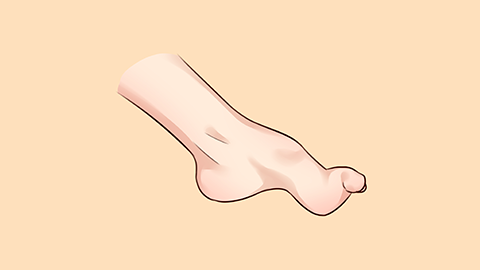
For patients with deep, dry fissures and pronounced hyperkeratosis, occlusion therapy can enhance treatment outcomes: apply the prescribed ointment, then cover the area with plastic wrap (e.g., cling film) for approximately two hours. We hope this information proves helpful.


