


How long does it take to recover after receiving a corticosteroid injection for tenosynovitis?

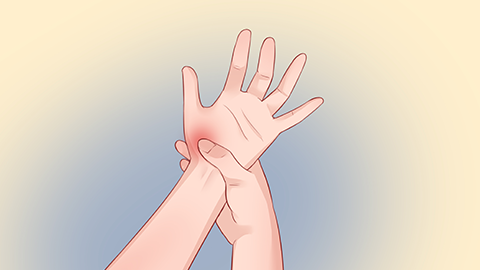
Tenosynovitis is a common condition, most frequently affecting the common tendon sheath of the abductor pollicis longus and extensor pollicis brevis muscles at the radial aspect of the wrist, as well as the tendon sheath of the flexor pollicis longus muscle at the base of the first metacarpal bone. How long does it take to recover after receiving a corticosteroid injection (commonly referred to as a “block”) for tenosynovitis?
How long does it take to recover after a corticosteroid injection for tenosynovitis?
Most patients experience recovery within approximately two weeks following a corticosteroid injection for tenosynovitis. The injection targets the affected tendon sheath directly, delivering localized anti-inflammatory effects. Significant pain relief and improved mobility are typically observed within three to five days—or up to one week—after the injection. If no substantial improvement occurs within about one week, a second local injection is recommended. Should symptoms persist without notable relief after another week—and provided there is no accompanying erythema or other signs of active inflammation—a further injection may be administered weekly; a full treatment course generally consists of two to four injections.

Treatment of tenosynovitis should be tailored according to its clinical presentation and includes both conservative and surgical options. Conservative management—under physician guidance—may involve topical application of medications such as Voltaren® gel (diclofenac), combined with physical therapy, yielding more precise therapeutic outcomes. For recurrent, debilitating pain interfering with daily activities, an intra-sheath corticosteroid injection (e.g., using lidocaine and budesonide) may be performed. In cases of severe pain accompanied by joint “triggering” (i.e., snapping or locking) or crepitus, surgical intervention—such as tendon sheath incision and partial excision of the inflamed sheath—may be necessary. Surgical treatment offers relatively high efficacy and a lower recurrence rate.
In daily life, patients should maintain a positive attitude, actively cooperate with their physicians, adhere strictly to prescribed medication regimens (both dosage and timing), and prioritize routine self-care to facilitate prompt recovery. We hope this information proves helpful to you.


