


What Causes Frequent Retching in a 4-Month-Old Baby?

A baby’s gastrointestinal system is very delicate, making them prone to discomfort in daily life. Dry heaving (non-productive retching) is a common occurrence in infants. When this happens, timely intervention is essential to prevent complications affecting other organs and to safeguard the baby’s normal growth and development. So, what could be causing persistent dry heaving in a four-month-old baby?
What Causes Persistent Dry Heaving in a Four-Month-Old Baby?
Persistent dry heaving in a four-month-old baby may result from improper feeding practices, overfeeding, or nausea. Medically, nausea refers to a sensation of gastric discomfort accompanied by an urge to vomit. While nausea itself is not a disease, it often serves as a symptom—commonly caused in infants by impaired digestive function or excessive food intake. It may also signal underlying pathological conditions, such as anatomical abnormalities of the gastrointestinal tract (e.g., gastroesophageal reflux or pyloric stenosis). Additionally, consuming large quantities of food at once, eating foods that are difficult to digest, dry weather, dehydration, or a dry throat can all trigger nausea.
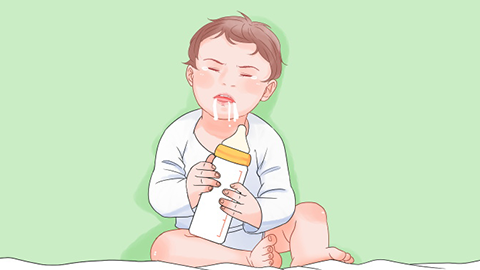
If your baby consistently experiences dry heaving or an urge to vomit, a careful evaluation based on specific circumstances is necessary. For instance, recurrent dry heaving caused by chronic pharyngitis warrants attention to personal hygiene and the cultivation of good oral habits, such as regular tooth brushing and mouth rinsing. Dry heaving may also stem from indigestion or gastrointestinal dysfunction; in such cases, maintaining regular meal schedules and avoiding greasy or spicy foods is recommended.

In daily life, ensure proper oral hygiene and cultivate healthy oral care habits—while also avoiding late-night activities. We hope this information proves helpful. Wishing you and your baby good health and happiness!


