


Which is more severe: myocardial infarction or cerebral infarction?

Both cerebral infarction and myocardial infarction are life-threatening conditions. Upon diagnosis, protective measures must be promptly implemented. Both conditions involve thrombus formation; however, the sites of embolism differ—one occurs in the brain and the other in the heart. Inadequate cardiac blood supply can lead to impaired cardiac function and reduced cerebral perfusion. So, which is more severe: myocardial infarction or cerebral infarction?
Which is more severe: myocardial infarction or cerebral infarction?
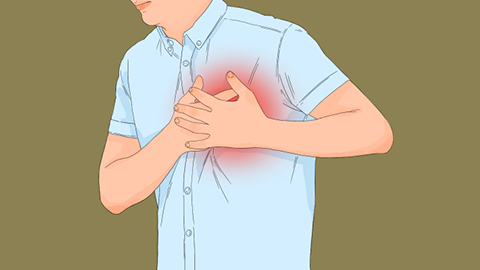
Generally, myocardial infarction is considered more severe than cerebral infarction. However, severity depends on multiple factors. For instance, if a myocardial infarction involves only small coronary vessels—such as an isolated inferior wall myocardial infarction—the patient may exhibit no obvious chest pain or tightness, presenting only with dizziness. Conversely, if a cerebral infarction is extensive and accompanied by altered consciousness, coma, or even brain herniation, it may be more severe than the myocardial infarction. Therefore, the relative severity of cerebral versus myocardial infarction depends on the infarct size in the heart and the location and extent of the cerebral infarction.

During the acute phase of myocardial infarction, patients must observe absolute bed rest, perform gentle daily bed-based activities, adhere to a light diet, strictly limit daily salt intake, and avoid increasing cardiac workload—which could precipitate heart failure. Additionally, meals should be easily digestible, with avoidance of greasy foods; patients must strictly follow medical advice and refrain from emotional agitation. In contrast, patients recovering from cerebral infarction should engage in rehabilitation exercises targeting speech and motor functions on the affected (paralyzed) side to minimize long-term neurological sequelae. For cerebrovascular disease overall, prevention of recurrence remains the primary goal.
In daily life, patients should maintain a positive mental outlook, actively cooperate with physicians during treatment, take prescribed medications consistently and correctly, and pay close attention to routine self-care—thereby facilitating prompt clinical improvement. We hope this response has been helpful to you.


