


What Causes Nosebleeds in Two-Year-Olds?

Generally, nosebleeds in two-year-old children may be caused by non-pathological factors—such as dry weather—or by pathological factors—including trauma and rhinitis. Early medical evaluation and treatment are recommended. A detailed analysis follows:
1. Environmental Factors
If the child is in a dry environment—for example, a room heated by central heating—the nasal mucosa may become dehydrated, increasing the likelihood of nosebleeds. Using a humidifier or air conditioner to improve indoor humidity can help alleviate this symptom.

2. Poor Diet
Picky or selective eating habits may lead to deficiencies in nutrients such as vitamin C, reducing the elasticity and resilience of the nasal mucosa and thereby increasing susceptibility to bleeding. It is advisable to adjust the child’s diet to ensure balanced nutrition, with increased intake of vitamin C–rich fruits and vegetables—such as oranges, kiwifruit, and spinach.
3. Trauma
In daily life, young children may sustain nasal mucosal injury due to falls, blunt impact, or nose-picking, resulting in epistaxis. This is relatively common and typically not serious. If nosebleeding occurs, applying a cold compress (e.g., a chilled towel) to the nasal area can promote capillary constriction and help control bleeding.
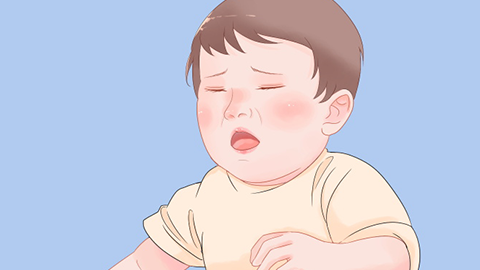
4. Allergic Reactions
Exposure to allergens—such as pollen, dust mites, or pet dander—can trigger allergic inflammation of the nasal mucosa, causing congestion, edema, and subsequent mucosal rupture and bleeding. Common accompanying symptoms include nasal itching, sneezing, and rhinorrhea. To minimize risk, avoid known allergens: regularly clean living spaces, change bed linens frequently to reduce dust mite exposure, and limit outdoor activities during peak pollen seasons.
5. Rhinitis
Viral or bacterial infections can invade the nasal mucosa in children, leading to inflammatory changes and edema. Under these conditions, nasal capillaries become fragile and prone to rupture and bleeding. Maintaining good nasal hygiene may help alleviate symptoms. When necessary, medications such as pediatric paracetamol–chlorpheniramine–pseudoephedrine granules or Tongqiao Biyan Pian (a traditional Chinese medicine for nasal disorders) may be prescribed under physician guidance.
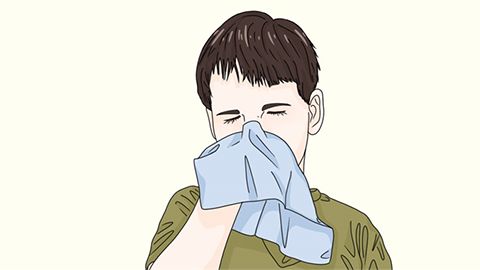
We recommend prompt medical evaluation at a hospital to identify the underlying cause and initiate targeted treatment. We hope this information is helpful.


