


What Causes Nosebleeds in a 4-Year-Old Child?

Parents often worry about their child’s health when a young child experiences nosebleeds. If a child frequently has nosebleeds, it is important to consult a healthcare provider promptly for proper evaluation and targeted treatment. So, what causes nosebleeds in a 4-year-old child?
What Causes Nosebleeds in a 4-Year-Old Child?
In general, nosebleeds in 4-year-olds may result from non-pathological factors—such as irritation from cold air—or pathological causes—including trauma or rhinitis. Treatment should be tailored according to the underlying cause. A detailed analysis follows:
I. Non-Pathological Factors
During periods of dry air—especially during seasonal transitions between autumn and winter—the capillaries inside the nasal cavity may rupture, leading to nosebleeds. Cold air can irritate the nasal passages, causing nasal mucosal dryness; when cold air blows directly into the nose, discomfort arises, potentially injuring the nasal mucosa.
II. Pathological Factors
1. Trauma
Young children may insert foreign objects into their nostrils. Parents must remain vigilant—closely supervising children during play to prevent them from inserting toys, buttons, small stones, or other tiny objects into their noses. Such foreign bodies may lacerate nasal tissue and trigger epistaxis. Parents may apply a cold towel to the child’s nasal bridge to help reduce nasal bleeding.
2. Rhinitis
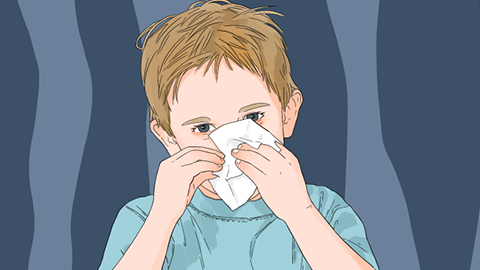
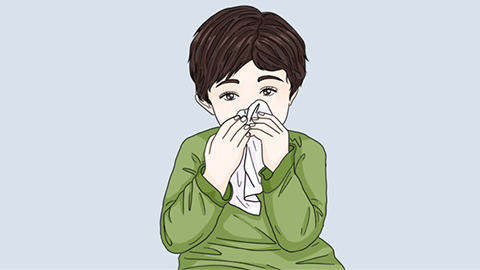
The nose serves as the first line of defense in the respiratory tract, filtering airborne dust, irritants, and pathogens. When nasal mucosa becomes inflamed, nasal congestion and swelling occur. Excessive, thick nasal discharge further dries and compromises the mucosa, increasing susceptibility to cracking and bleeding. Under a physician’s guidance, medications such as pediatric paracetamol–chlorpheniramine–pseudoephedrine granules or Tongqiao Biyan Tablets may be used. Additionally, children should be discouraged from picking their noses.
Besides the above, leukemia is another common cause of recurrent epistaxis. Prompt medical evaluation and treatment are strongly recommended.


