


How to Differentiate Tinnitus from Cerebral Humming

Nowadays, many people frequently stay up late, work under pressure, and remain in a state of tension and anxiety. Combined with irregular eating habits, these factors may lead to tinnitus—characterized by persistent buzzing, chirping, or rustling sounds—which can disrupt sleep and cause anxiety and restlessness. However, many individuals overlook the presence of “brain noise” (cerebral tinnitus), largely because patients are unaware of the distinction between tinnitus and cerebral tinnitus. So how can one differentiate between tinnitus and cerebral tinnitus?
How to Differentiate Between Tinnitus and Cerebral Tinnitus
The key distinction lies in the perceived origin of the sound: cerebral tinnitus refers to sounds perceived within the brain itself, whereas tinnitus originates in the ear—there is no external sound source, yet the patient perceives noise inside the ear. Tinnitus may be unilateral or bilateral, but cerebral tinnitus does not follow this laterality pattern; it is never described as strictly unilateral or bilateral. Cerebral tinnitus commonly results from insufficient sleep, excessive mental stress, or chronic fatigue, while tinnitus typically requires pharmacological intervention for symptom control.
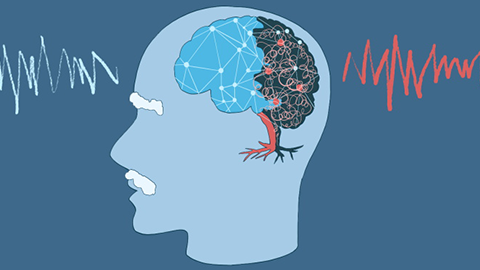
Tinnitus has numerous potential causes, including noise exposure, otologic disorders (e.g., acute suppurative otitis media or otosclerosis), neurological conditions (e.g., anxiety or depression), and cardiovascular or cerebrovascular diseases (e.g., hypertension or atherosclerosis). In contrast, cerebral tinnitus is usually associated with intracranial space-occupying lesions or central nervous system pathology; thus, patients should undergo appropriate diagnostic evaluations based on suspected etiology.

During daily work or study, it is essential to take appropriate breaks and maintain emotional stability. There are clear clinical distinctions between tinnitus and cerebral tinnitus; accurate diagnosis from a therapeutic perspective enables targeted, symptom-specific treatment. We hope this response proves helpful to you.


