


How Is Coronary Heart Disease Formed?

In real life, coronary heart disease (CHD) is a common and highly dangerous condition that severely compromises patients’ health and subjects them to significant suffering. Prompt treatment is essential for this disease. But how does coronary heart disease develop?
How Coronary Heart Disease Develops
Coronary heart disease may arise from factors such as aging, dietary habits, and obesity. As people age, their body’s resistance weakens. Moreover, in recent years, an increasing number of younger individuals have been diagnosed with CHD—indicating a trend toward earlier onset. Therefore, individuals aged 40 and above should undergo regular health check-ups. Once CHD is diagnosed, prompt treatment is critical to prevent progression to a more severe, difficult-to-control stage. Many patients frequently consume high-calorie foods—including animal livers—which significantly increases their risk of developing CHD. Patients with CHD should cultivate healthy eating habits and maintain regular, balanced meals.
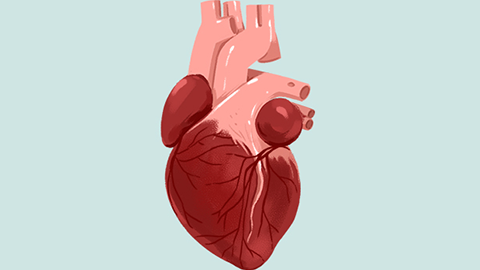
Being overweight or obese substantially increases the risk of developing CHD. Thus, maintaining a healthy weight is crucial for prevention. Elevated blood pressure is another major risk factor for CHD; hypertensive patients face up to four times greater risk of atherosclerosis-related complications than those with normal blood pressure. Dyslipidemia—characterized by abnormal lipid levels—may result from genetic predisposition, excessive dietary fat intake, or disorders of lipid metabolism. Specifically, low levels of high-density lipoprotein (HDL) cholesterol are strongly associated with increased CHD risk.

In daily life, patients should maintain a positive mental outlook, actively cooperate with their physicians during treatment, take prescribed medications consistently and as directed, and pay close attention to routine self-care—thereby facilitating timely improvement in their condition. We hope this information proves helpful to you.


