


Can premature heartbeats (premature ventricular contractions) be cured?

Everyone should learn more about premature beats—a condition also known as premature ventricular contractions (PVCs) or premature atrial contractions (PACs). Common symptoms include cardiac arrhythmia. Whether occurring in older adults or younger individuals, premature beats warrant prompt attention and careful evaluation.
Can Premature Beats Be Cured?
Whether premature beats can be cured depends on the underlying cause. Premature beats are commonly associated with heart disease, inadequate rest, and other factors. If they result from physiological (non-pathological) causes, they are generally reversible and treatable. However, if caused by structural (organic) heart disease, complete cure may not be possible. Physiological premature beats are classified as either atrial or ventricular in origin; most cases are triggered by emotional factors—such as stress, anxiety, or excitement—which may provoke episodes. In such instances, patients should remain calm and relaxed to alleviate symptoms and minimize adverse effects on the body.

Heart disease—including common conditions like hypertension and coronary artery disease—may also trigger premature beats. Effective management requires targeted treatment of the underlying disorder; only then can premature beats be adequately controlled. Typically, premature beats occur paroxysmally. Timely intervention during an episode significantly improves control and outcomes.
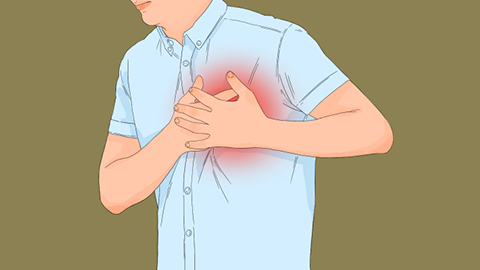
Patients should maintain a positive mindset, actively cooperate with their physicians, take prescribed medications consistently and as directed, and pay close attention to daily self-care—thereby facilitating faster clinical improvement. We hope this information is helpful to you.


