


What should I do if I have rhinitis and cannot smell?
Aug 11, 2022
Source: Cainiu Health

Dr. Guo Xiheng
Introduction
Common management strategies for anosmia (loss of smell) in patients with rhinitis are as follows:
Acute rhinitis: Patients may experience anosmia, severe nasal congestion, and rhinorrhea. Nasal decongestant sprays can be used to relieve congestion; once nasal airflow is restored, odorants can reach the olfactory region, enabling the patient to perceive smells. Additionally, intranasal corticosteroids—such as Rhinocort (budesonide) or Nasonex (mometasone furoate)—should be administered.
Rhinitis is a common condition encountered in daily life. Some patients with rhinitis experience anosmia (loss of smell). So, what should be done if a patient with rhinitis loses their sense of smell?
What to do when rhinitis causes loss of smell
Common management strategies for anosmia associated with rhinitis include the following:
Acute rhinitis: Patients may experience anosmia, severe nasal congestion, and profuse rhinorrhea. Nasal decongestant sprays can be used to relieve nasal obstruction; once airflow is restored, odorants can reach the olfactory region, allowing the patient to perceive smells again. In addition, intranasal corticosteroids—such as Rhinocort (budesonide) or Nasonex (mometasone furoate)—should be administered. These medications help reduce mucosal congestion and swelling. Once the underlying viral infection (e.g., common cold) resolves, olfactory function typically recovers.
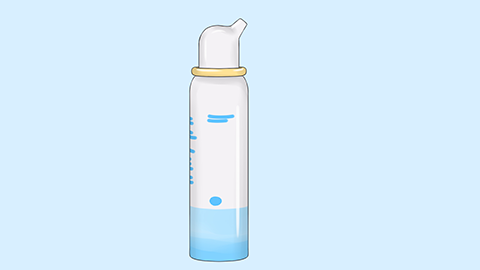
Allergic rhinitis: Patients often present with copious watery rhinorrhea, nasal congestion, pruritus, and sneezing. In such cases, oral antihistamines—such as loratadine or cetirizine—may be prescribed. Nasal decongestants (e.g., ephedrine nasal spray) may also be used adjunctively. With effective treatment and complete resolution of allergic rhinitis symptoms, olfactory function gradually returns.

In cases where excessive abnormal nasal secretions impair olfaction, saline nasal irrigation may be performed, or mucociliary clearance enhancers—such as Fluticasone propionate nasal spray (e.g., Flixonase)—may be used. We hope this information proves helpful!


